

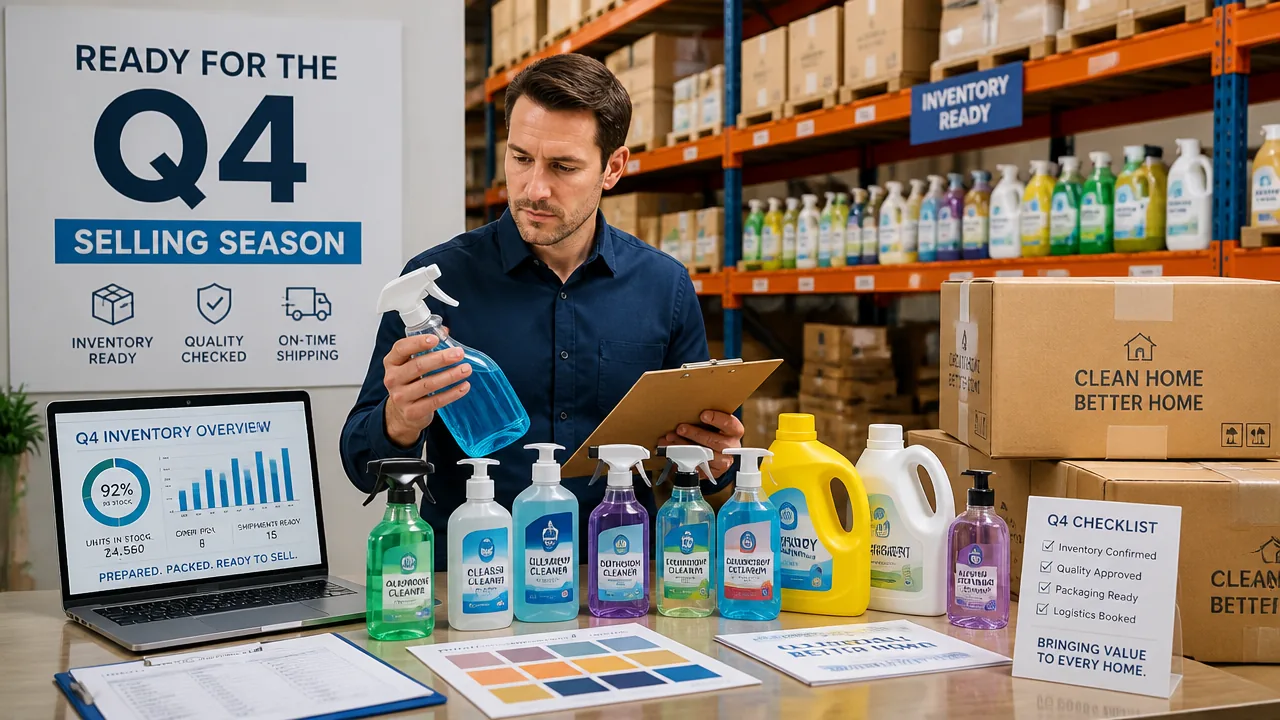
The Q4 selling season may still seem months away, but for many international B2B buyers, the most important purchasing decisions are already being made.
Importers, distributors, wholesalers and private label brands often need to plan their product ranges well before consumers begin their holiday shopping. Product selection, supplier comparison, quotations, samples, packaging, production and shipping can all take place weeks or even months before products finally reach the market.
For household cleaning product buyers, this planning process is particularly important.
Unlike consumers, who can purchase a cleaning product whenever they need it, B2B buyers need to consider inventory levels, minimum order quantities, production lead times, shipping schedules and retail demand before placing an order.
This means that the Q4 selling season does not necessarily begin with Q4 purchasing.
For many businesses, preparation begins much earlier.

The Q4 Buying Season Starts Before Q4
The holiday and year-end selling season may peak in the final months of the year, but retailers and distributors often begin preparing their inventory much earlier.
Deloitte's Retail Holiday Buyer Survey found that surveyed retail buyers were increasingly front-loading their holiday orders. In the 2025 survey, respondents reported that they had placed more than half of their holiday orders by the end of May, significantly earlier than the previous year's timeline. The survey also found that nearly half of respondents planned to increase sourcing from new vendors.
The exact purchasing calendar varies by country, industry and product category, but the broader lesson is clear:
B2B buyers cannot wait until the peak selling season to begin sourcing.
For international household cleaning product buyers, August and September can be particularly useful planning and sourcing months for products intended to support the final quarter and the beginning of the following sales cycle.
The earlier a buyer starts, the more time there is to:
- Compare suppliers
- Evaluate products
- Request samples
- Negotiate pricing
- Customize packaging
- Confirm fragrances
- Approve labels
- Arrange production
- Plan shipping
- Prepare local inventory
The goal is not simply to order earlier.
The goal is to reduce the risk of making rushed purchasing decisions later.
Why B2B Buyers Need to Plan Earlier
A consumer purchasing a household cleaning product may simply choose a product from a store shelf or online marketplace.
A B2B buyer faces a completely different process.
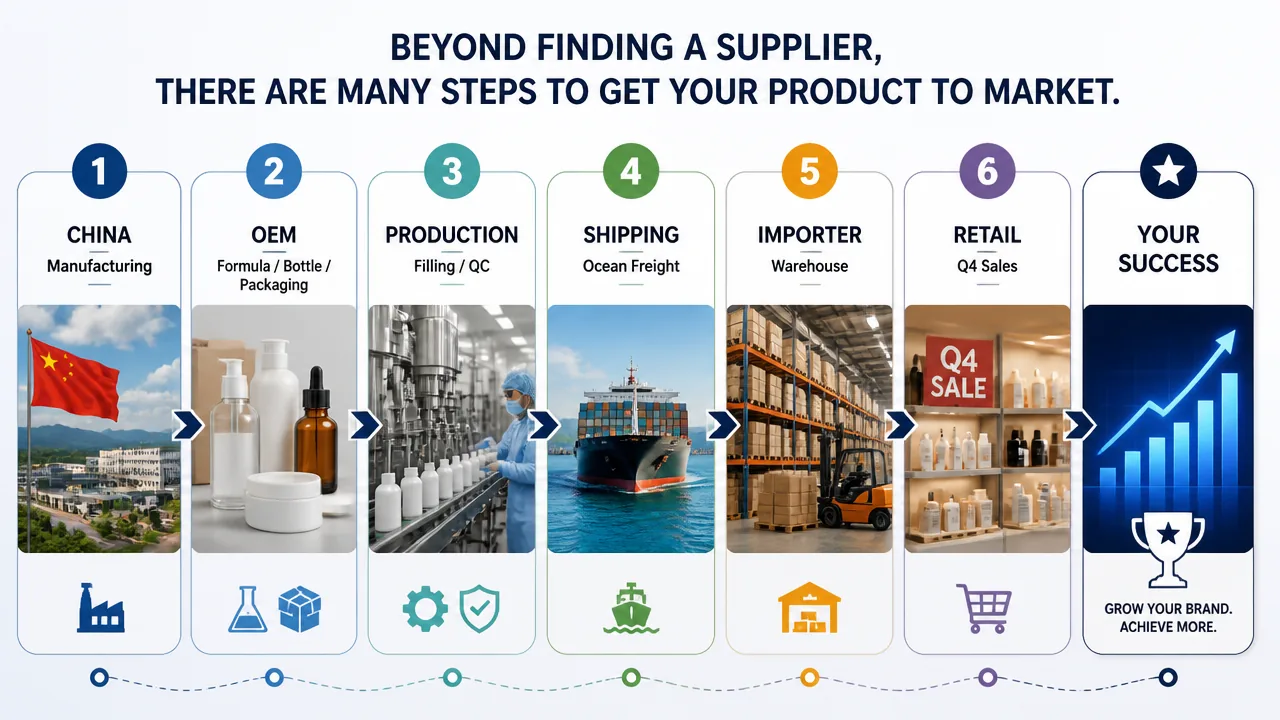
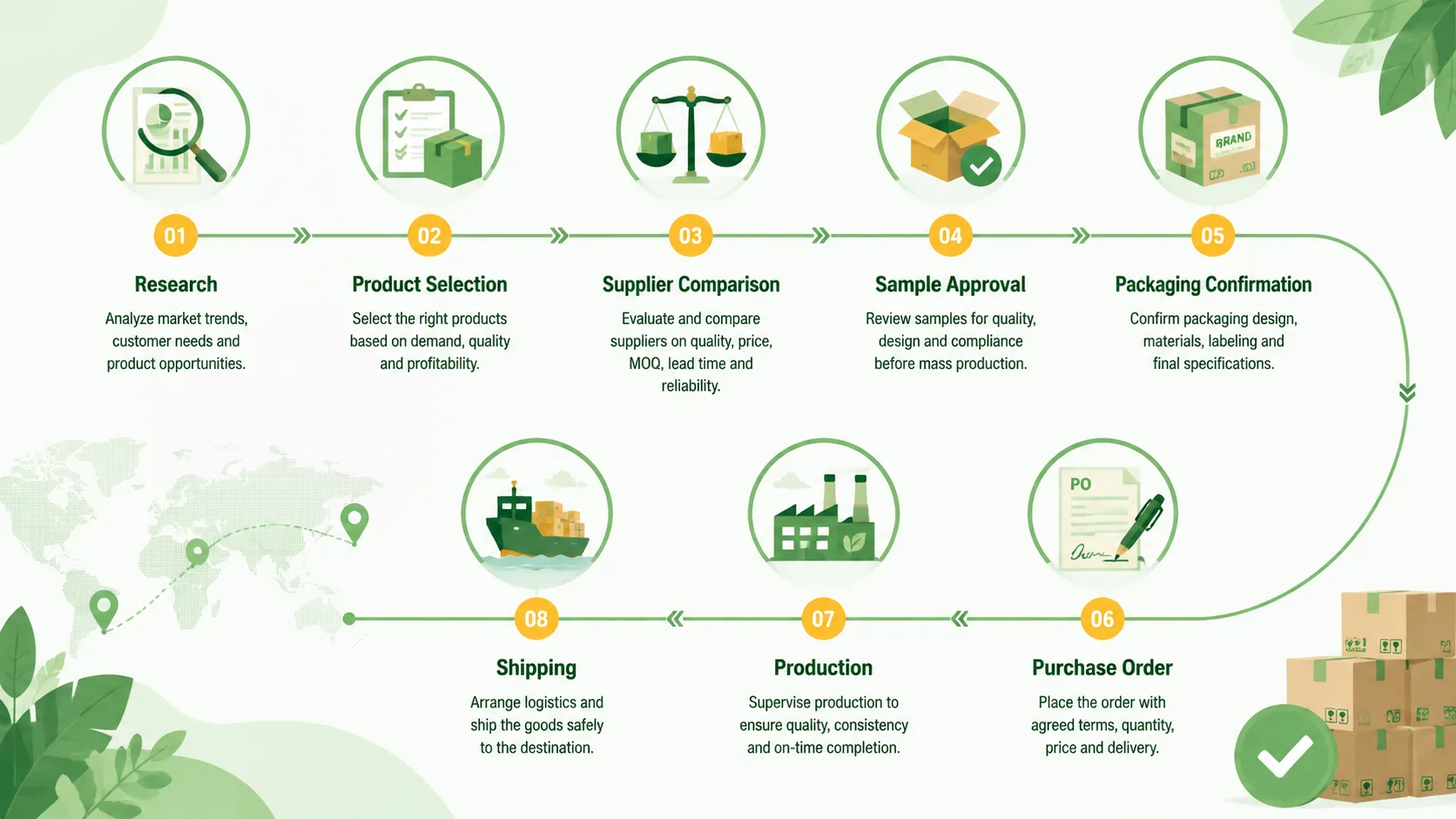
A typical purchasing journey may look like this:
- Market Research
- Product Selection
- Supplier Search
- Quotation
- Sample Evaluation
- Packaging & Formula Confirmation
- Purchase Order
- Production
- Quality Control
- Shipping
- Import & Distribution
- Retail Sales
Every step takes time.
For standard products that are already manufactured and packed, the process may be relatively straightforward.
However, private label and OEM projects can require additional time for formula selection, fragrance development, bottle selection, label design, packaging approval and production planning.
This is why the most important question for a B2B buyer is not:
"When does Q4 start?"
It is:
"When should I start preparing the products that I want to sell in Q4?"
What Should B2B Buyers Prepare Before Placing an Order?
Before contacting a household cleaning product manufacturer, buyers can save considerable time by defining several basic requirements.
1. Target Market
The first step is identifying where the products will be sold.
Different markets may have different:
- Consumer preferences
- Price levels
- Retail channels
- Packaging expectations
- Product regulations
- Import requirements
A product designed for a supermarket chain in North America may require a different positioning from one designed for a distributor in Africa, the Middle East or Southeast Asia.
Understanding the target market first makes the supplier selection process much easier.
2. Product Category
The next step is deciding which cleaning products should be included in the range.
A household cleaning product portfolio could include:
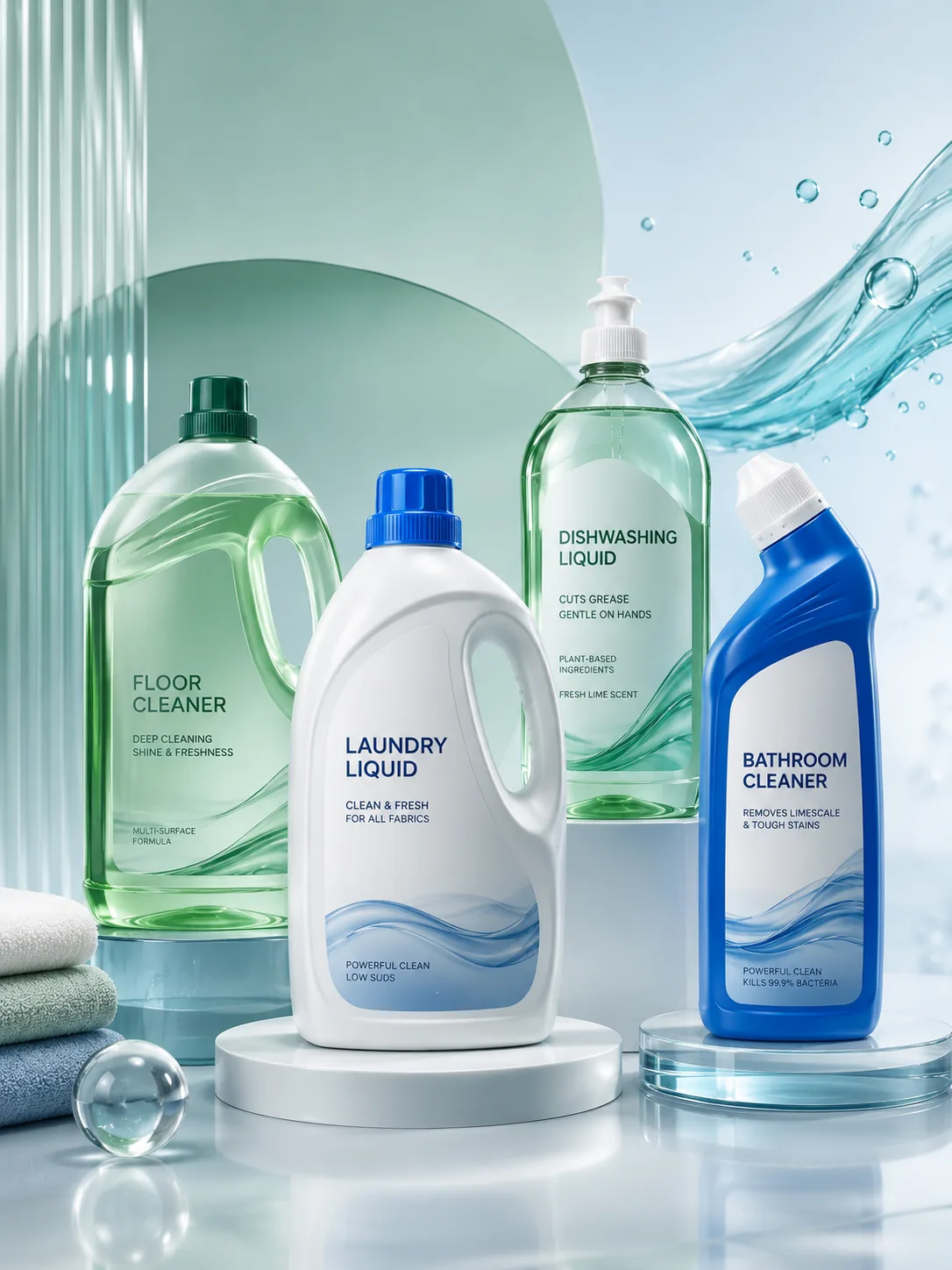
- Floor Cleaner
- Dishwashing Liquid
- Toilet Cleaner
- Bathroom Cleaner
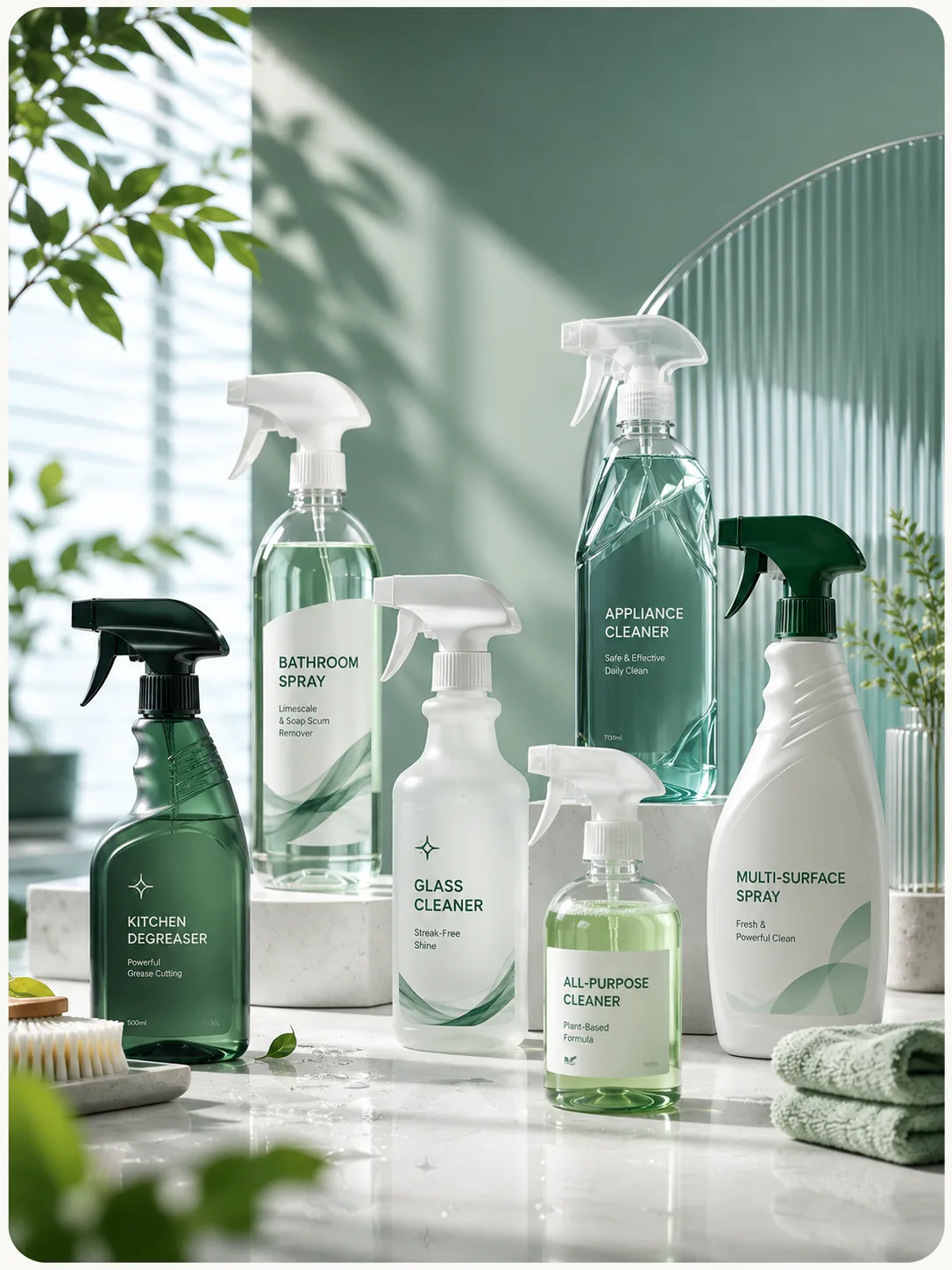
- Kitchen Degreaser
- Glass Cleaner
- Multipurpose Cleaner
- Fabric & Sofa Cleaner
- Air Conditioner Cleaner
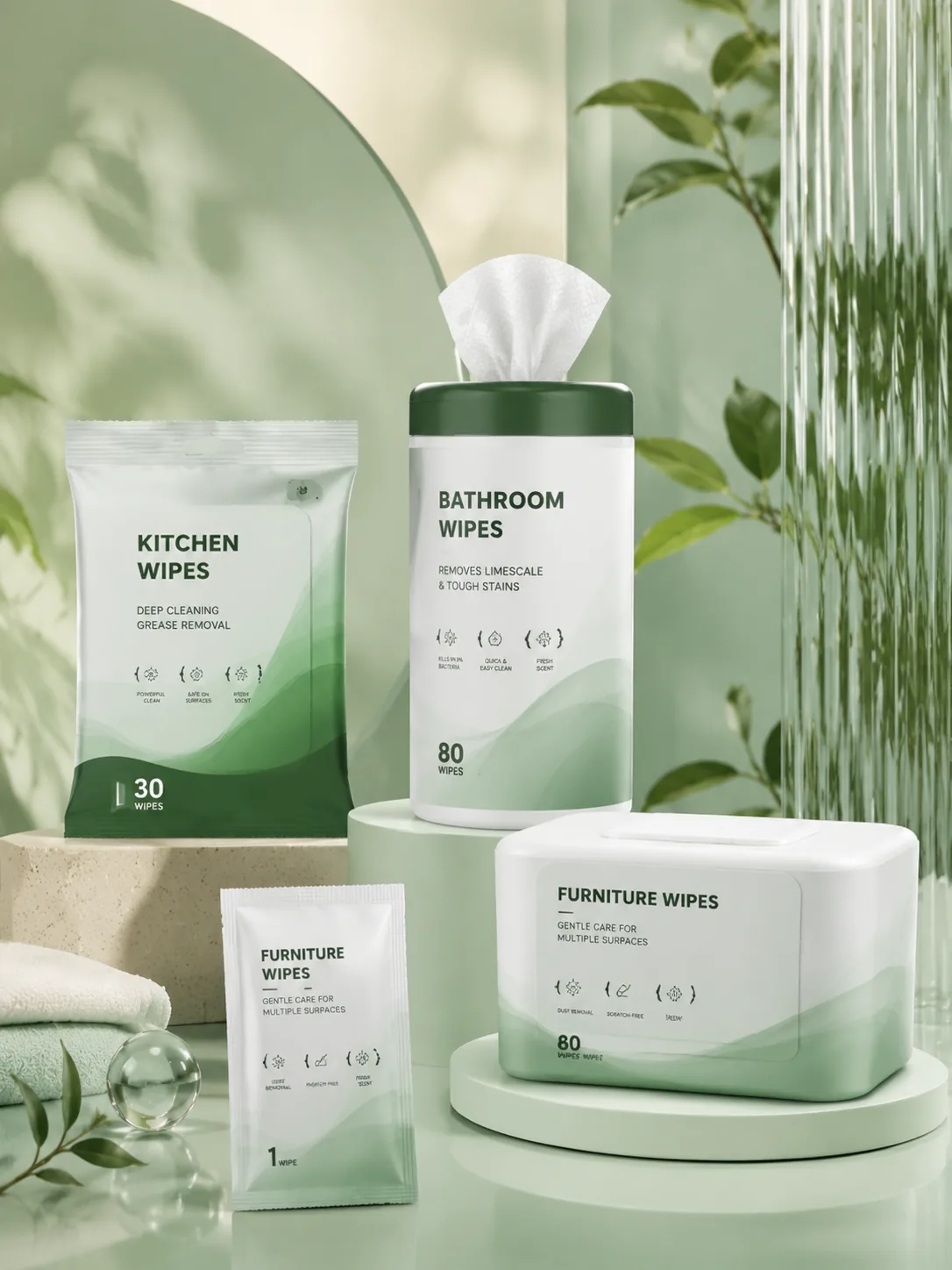
- Cleaning Wipes
A buyer does not necessarily need to launch every product at once.
A smaller, focused product range can be easier to manage, especially for a new brand or distributor entering a new market.
3. Target Price Position
Before contacting suppliers, buyers should consider whether their products are intended for:
- Value
- Mid-range
- Premium
This decision influences almost every other part of the product.
It can affect:
- Formula
- Bottle
- Packaging
- Fragrance
- Product size
- Label design
- Production cost
- Retail positioning
A clear target price helps manufacturers recommend more suitable solutions.
4. Packaging and Product Size
Packaging is an important part of B2B purchasing.
Buyers should consider:
- Bottle size
- Bottle shape
- Material
- Cap
- Label
- Outer carton
- Shipping efficiency
- Shelf appearance
For household cleaning products, common package sizes may range from smaller consumer formats to larger household or refill formats.
The best choice depends on the target market and distribution channel.
5. Fragrance
Fragrance can become an important part of product differentiation.
Depending on the market and product category, buyers may consider:
- Lemon
- Citrus
- Floral
- Fresh
- Pine
- Ocean
- Fruit-inspired fragrances
For private label brands, fragrance selection can also help create a consistent identity across an entire product range.
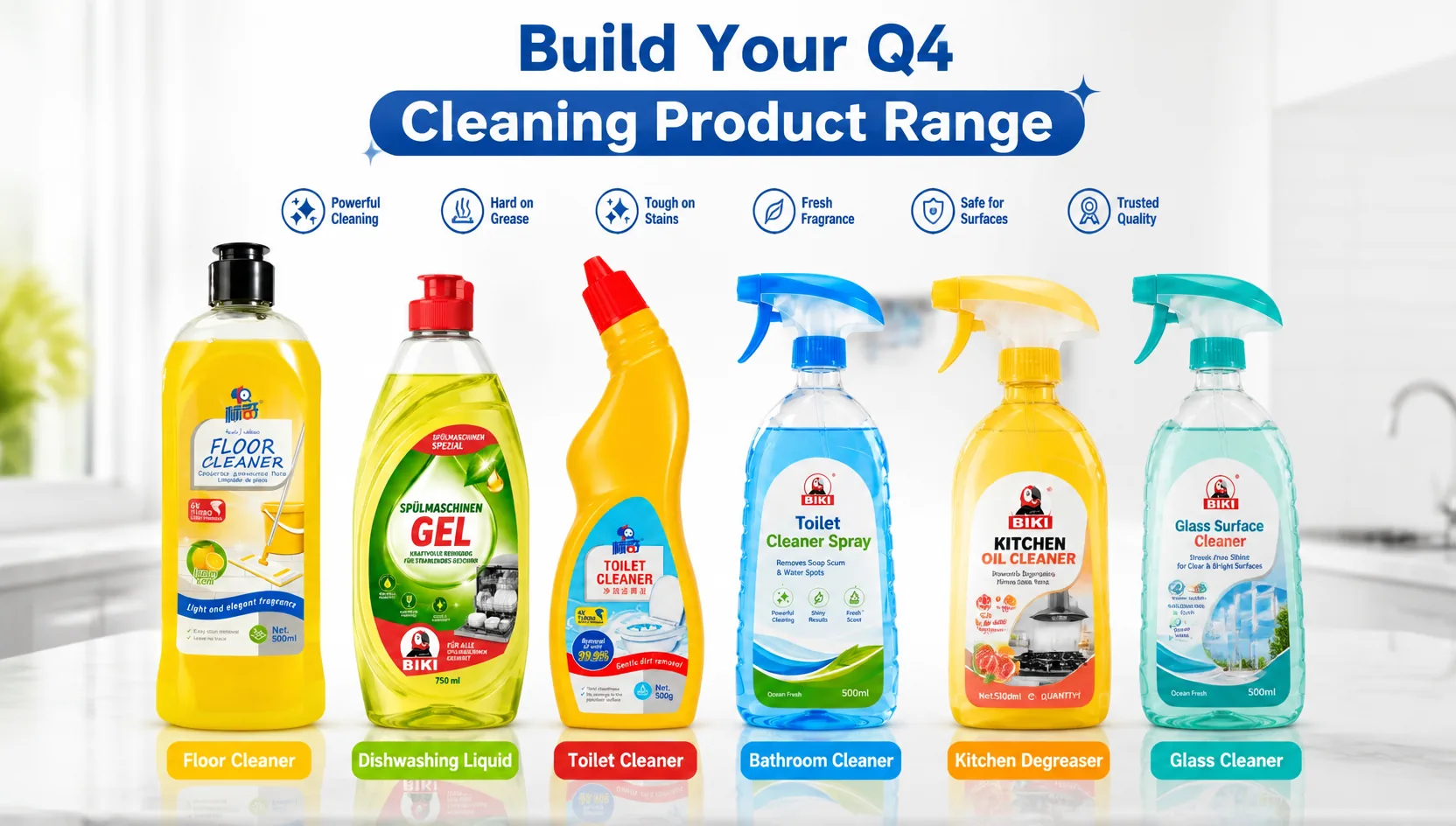
For example, a brand could develop a recognizable citrus-focused cleaning line across its floor cleaner, kitchen degreaser and glass cleaner.
Which Household Cleaning Products Should Buyers Consider for Q4?
There is no universal list of products that will perform equally well in every market.
Instead, buyers should look at their target customers, existing sales channels and product positioning.
However, several household cleaning categories can be considered when developing a Q4 product assortment.
Floor Cleaner
Floor cleaners are everyday household products that can fit into a broad range of retail channels.
They can be positioned around:
- Everyday cleaning
- Tile cleaning
- Hard-surface cleaning
- Fresh fragrance
- Concentrated formulas
Because the product is easy for consumers to understand, it can also work well as an entry-level product for a new cleaning brand.
Dishwashing Liquid
Dishwashing liquid is another high-frequency household product.
Its regular use makes it suitable for brands looking to build repeat-purchase categories.
For private label buyers, differentiation can come from:
- Formula
- Fragrance
- Bottle design
- Product size
- Packaging
- Brand positioning
A distributor may also create several product levels, from a value-focused product to a more premium formulation.
Toilet Cleaner
Toilet cleaners provide a clear and specific cleaning function.
Product positioning can focus on:
- Toilet bowl cleaning
- Stain removal
- Fresh fragrance
- Hygiene
- Easy application
Packaging is particularly important because consumers should be able to immediately understand the product's purpose when they see it on a retail shelf.
Bathroom Cleaner
Bathroom cleaners can complement toilet cleaners and create a broader bathroom cleaning range.
Potential applications include:
- Tiles
- Sinks
- Bathroom surfaces
- Soap scum
- Water marks
- General bathroom cleaning
For a private label brand, bathroom cleaner and toilet cleaner can be developed as part of one coordinated product family.
Kitchen Degreaser
Kitchen degreasers provide an opportunity to focus on a specific household cleaning problem:
Grease.
Potential applications include:
- Stovetops
- Kitchen counters
- Cooking areas
- Range hoods
- Greasy surfaces
A kitchen degreaser can also be combined with dishwashing liquid to create a broader kitchen cleaning range.
Glass Cleaner
Glass cleaners can provide another opportunity for product differentiation.
Traditional glass cleaners may focus on:
- Streak-free cleaning
- Shine
- Dust removal
- Windows
- Mirrors
More specialized glass care products may also incorporate additional properties, such as water repellency or easier maintenance.
For brands looking to move beyond basic price competition, specialized cleaning products can provide an opportunity to create a more distinctive product range.
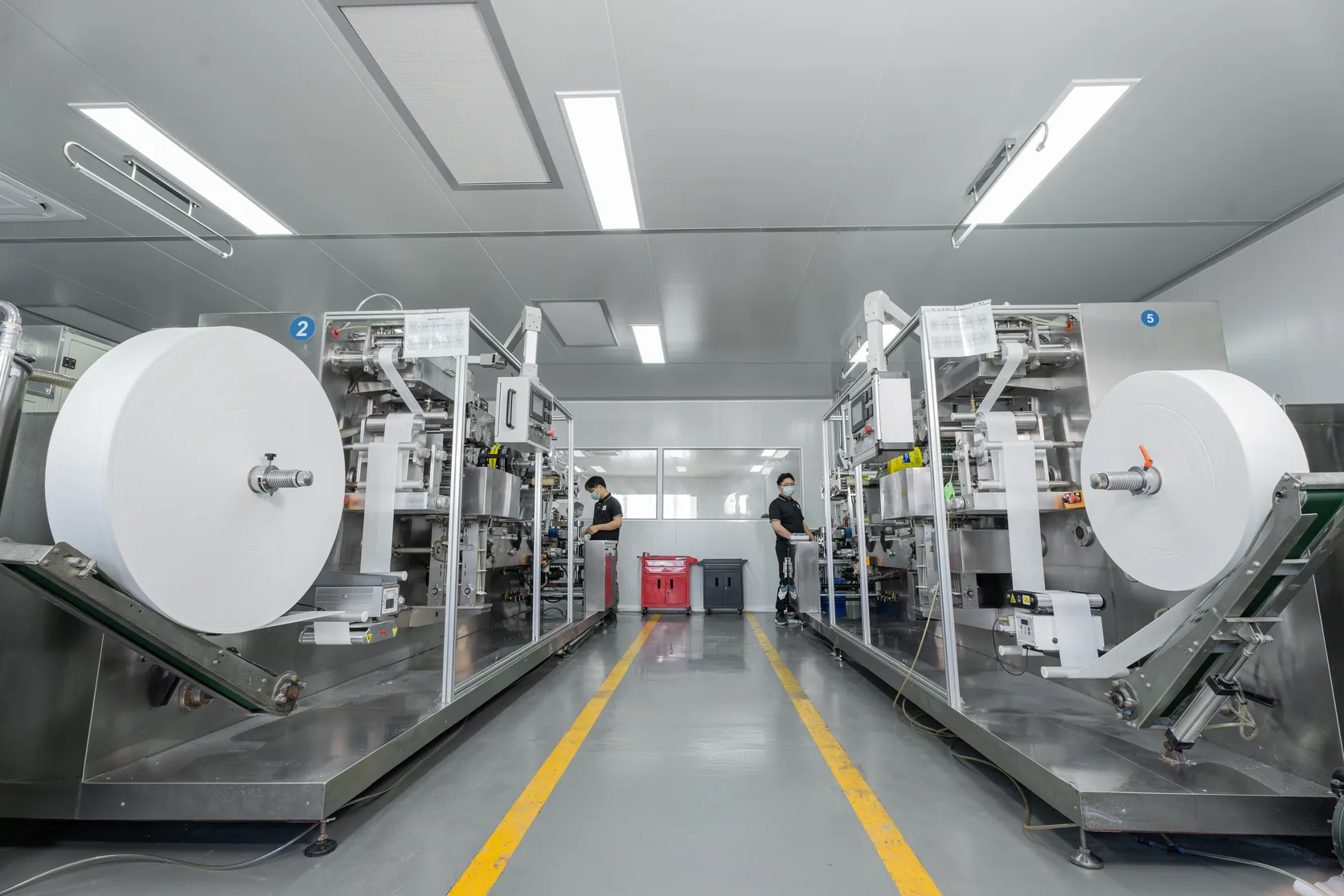
When Should You Contact a Cleaning Product Manufacturer?
There is no single procurement timeline that works for every business.
The actual lead time depends on:
- Product type
- MOQ
- Formula customization
- Packaging requirements
- Bottle development
- Label approval
- Production capacity
- Quality control
- Destination
- Shipping method
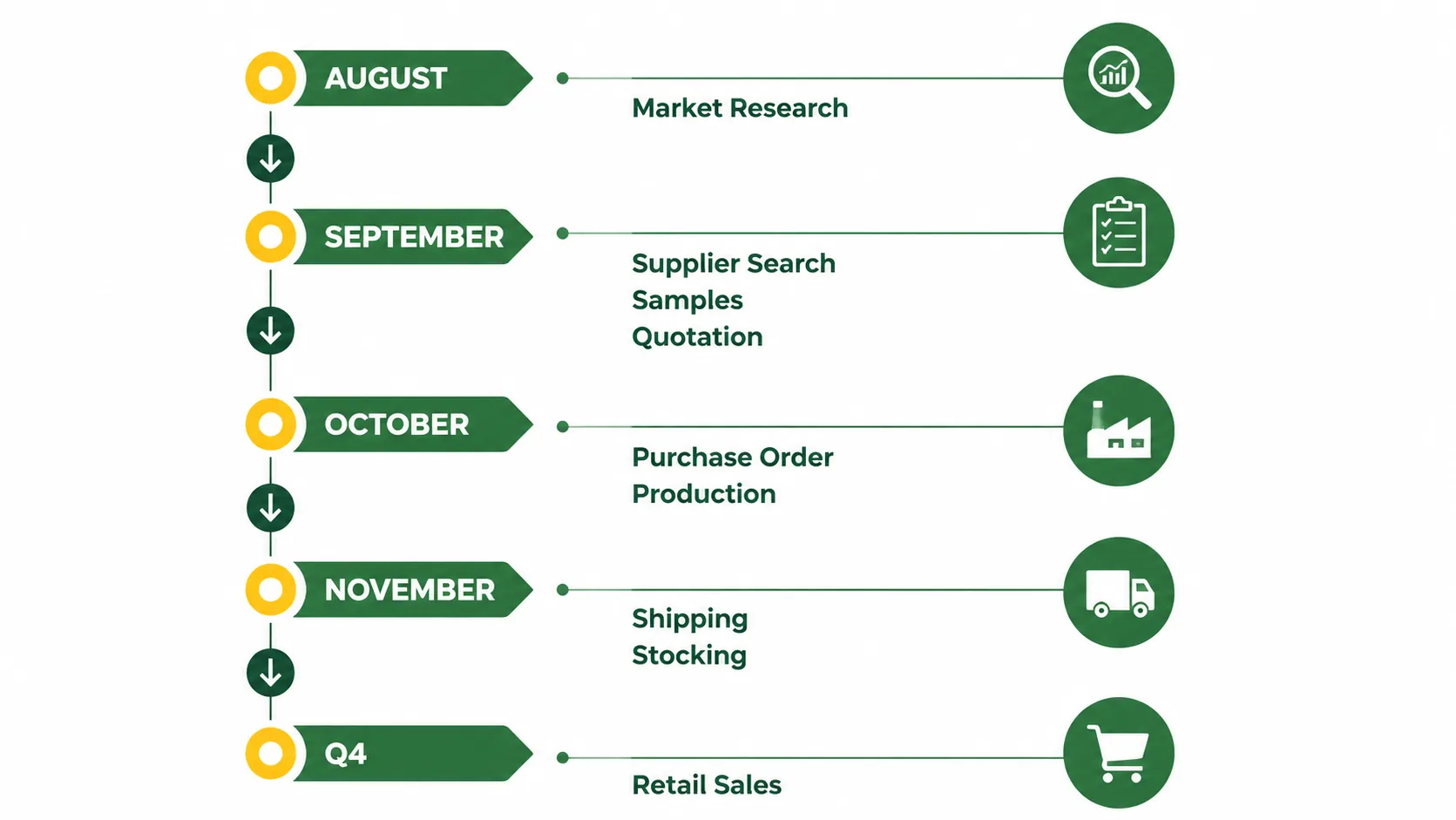
However, a buyer preparing for Q4 can use the following as a general planning framework.
August
Research & Planning
Review market demand
Select product categories
Define target price
Identify potential suppliers
Late August – September
Supplier Selection
Request quotations
- Compare suppliers
- Request samples
Review product specifications
September
Product Confirmation
Confirm formula
Select fragrance
Select bottle
Confirm label and packaging
September – October
Order & Production
Place purchase order
Confirm production schedule
Arrange quality control
Prepare export packaging
October – November
Shipping & Stocking
Arrange shipment
Complete import procedures
Receive inventory
Prepare distribution
Q4
Selling Season
Products are ready for retail distribution and customer demand.
The exact timeline should always be confirmed with the selected manufacturer and logistics provider.
Why Private Label Buyers Should Start Even Earlier
Private label purchasing usually requires more planning than standard product purchasing.
A standard product may follow a relatively simple process:
Select → Order → Produce → Ship
A private label project may look more like:
- Product Concept
- Formula Selection
- Fragrance
- Bottle
- Label Design
- Sample
- Approval
- Production
- Quality Control
- Shipping
Every additional customization can introduce another decision point.
This is why private label buyers should ideally begin discussions before they urgently need inventory.
Starting early can provide more flexibility when selecting:
- Bottle designs
- Fragrances
- Product formulas
- Packaging
- Product sizes
- MOQ
- Production schedules
For a new brand, the additional planning time can be especially valuable.
How to Build a Q4 Household Cleaning Product Range
A common mistake for new B2B buyers is trying to launch too many products at once.
Instead, consider building the range in stages.
Starter Range
A basic household cleaning range could include:
- Floor Cleaner
- Dishwashing Liquid
- Toilet Cleaner
These products cover several common household cleaning needs.
Growth Range
After establishing the basic range, buyers can consider adding:
- Bathroom Cleaner
- Kitchen Degreaser
- Glass Cleaner
- Multipurpose Cleaner
This allows the brand to cover more cleaning scenarios without creating an excessively large initial product portfolio.
Specialized Range
Once the core range is established, more specialized products can create additional differentiation.
Examples include:
- Fabric & Sofa Cleaner
- Air Conditioner Cleaner
- Water-Repellent Glass Cleaner
- Specialty Surface Cleaners
This staged approach can help distributors manage inventory while gradually expanding their product offering.
Why the Right Supplier Matters During the Purchasing Season
Price is obviously important when sourcing household cleaning products.
However, price should not be the only factor.
During a seasonal purchasing cycle, supplier reliability can become equally important.
Deloitte's holiday buyer research found that 78% of surveyed retail buyers were concerned about securing adequate inventory, while 76% were concerned about supplier reliability amid geopolitical uncertainty.
This highlights an important point for B2B buyers:
A competitive quotation is useful, but a reliable supply chain is what ultimately gets products onto the shelf.
When evaluating a cleaning product manufacturer, buyers should consider:
Product Development
Can the supplier develop or customize products according to the target market?
Formula Customization
Can the supplier provide different formulations or performance levels?
Fragrance Development
Can the supplier provide suitable fragrance options?
Packaging
Can the supplier provide bottles, labels and packaging solutions?
Production Capacity
Can the supplier handle the required order volume?
Quality Control
Does the manufacturer have consistent quality control throughout production?
Communication
Can the supplier communicate clearly about specifications, samples and production schedules?
Export Experience
Does the supplier understand international packaging, documentation and shipping requirements?
The right supplier should be more than a source of low-cost products.
It should be a partner that helps the buyer reduce unnecessary risks during the purchasing process.
Why Source Household Cleaning Products from China?
China has a well-developed manufacturing ecosystem for household cleaning products and packaging.
For international B2B buyers, this can provide access to:
- Broad product categories
- Formula customization
- Fragrance options
- Bottle development
- Packaging solutions
- Private label manufacturing
- OEM and ODM services
Another advantage is the ability to combine several manufacturing processes through one supplier.
Instead of working with separate companies for formulas, bottles, filling and packaging, an experienced manufacturer may be able to coordinate multiple stages of the product development process.
This can simplify purchasing and communication for international buyers.
However, buyers should still evaluate each supplier individually rather than assuming that all manufacturers provide the same capabilities.
A One-Stop OEM Approach Can Simplify Product Development
For importers and private label brands, one-stop manufacturing can reduce the number of suppliers involved in a product project.
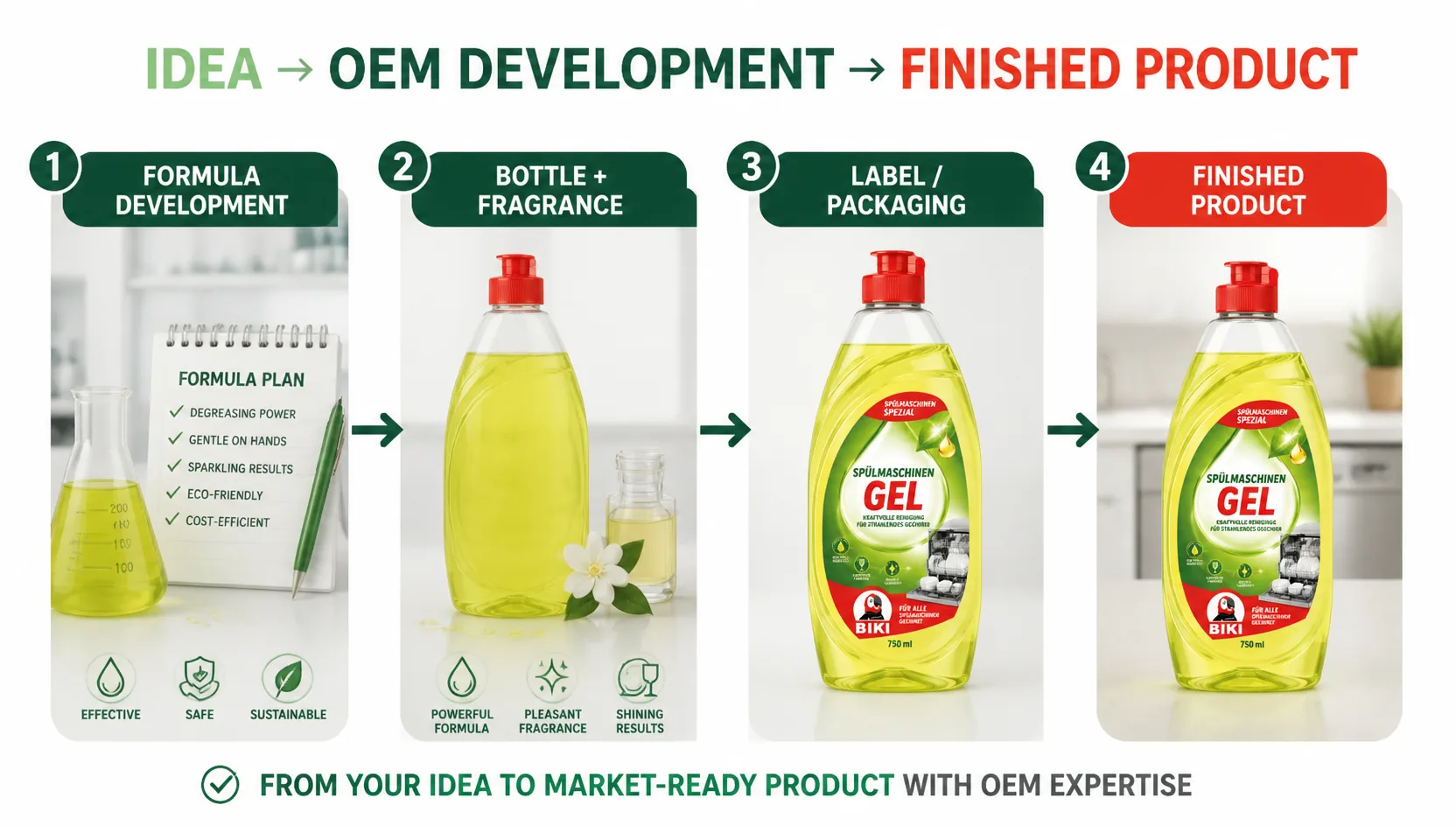
A typical household cleaning product development process can involve:
- Formula
- Fragrance
- Bottle
- Label
- Filling
- Packaging
- Quality Control
- Finished Product
When these processes are coordinated through one manufacturing partner, buyers may have fewer communication points and better control over the final product.
For companies preparing for a seasonal purchasing cycle, this can be particularly useful because timing becomes an important part of the project.
Don't Wait Until the Peak Season to Start Sourcing
The most important lesson for B2B buyers is simple:
The best time to prepare for Q4 is before Q4 begins.
The exact purchasing schedule will vary depending on the market, product category and business model.
But businesses that need customized household cleaning products should allow enough time for:
- Product research
- Supplier selection
- Quotation
- Sample evaluation
- Formula confirmation
- Packaging
- Production
- Quality control
- Shipping
- Import
- Distribution
Starting earlier does not necessarily mean buying more.
It means giving your business more time to make better decisions.
For importers and distributors, this can mean more supplier choices.
For private label brands, it can mean more customization options.
For retailers, it can mean better inventory planning.
And for manufacturers, early communication makes it easier to organize production and meet customer requirements.
Building Your Next Household Cleaning Product Range
At BIKIhomecare, we work with importers, distributors, wholesalers and private label brands looking to develop household cleaning products for international markets.
Our capabilities cover different stages of product development, including:
- OEM & ODM
- Private Label
- Formula Development
- Custom Fragrance
- Bottle Selection
- Packaging
- Filling & Manufacturing
- Quality Control
- Export Support
Whether you are preparing a new cleaning product brand, expanding an existing product range or planning inventory for the next selling season, starting the conversation early can give your project more flexibility.
Looking for a Household Cleaning Product Manufacturer?
If you are planning your next household cleaning product order, now can be a good time to begin discussing your requirements with potential suppliers.
Tell us about your:
- Target market
- Product categories
- Required quantities
- Packaging preferences
- Fragrance requirements
- Private label needs
Our team can help you explore suitable OEM and ODM solutions for your cleaning product range.
Explore household cleaning products, packaging options and customization solutions for your target market.
Sources
Deloitte Consumer Industry Center, 'Tis the season for smarter sourcing: How AI is helping some retailers rethink holiday buying strategies, 2025. The survey covered 50 retail industry buyers involved in holiday buying and merchandising.
Deloitte Consumer Industry Center, 2026 Global Retail Industry Outlook, 2026. The report examines retail trends including supply-chain resilience, cost pressures and changing consumer expectations.