

Product categories, seasonal demand and sourcing opportunities for importers, distributors and private label brands
As the second half of the year approaches, household cleaning product buyers are beginning to look beyond their current inventory and plan for the months ahead.
For importers, distributors, wholesalers and private label brands, this is an important time to review which cleaning product categories deserve more attention, which products can strengthen an existing product range, and which seasonal opportunities may require earlier sourcing.
There is no single household cleaning product that will perform equally well in every country. Consumer preferences, climate, retail channels, purchasing power and local market conditions can all influence demand.
However, several categories are worth considering when building a household cleaning product portfolio for the next six months.
The key is not simply to predict which product will become the next bestseller.
Instead, B2B buyers should consider how evergreen products, seasonal products and specialized cleaning products can work together to create a balanced product range.
Evergreen Household Cleaning Products
Some household cleaning products are less dependent on a particular season because consumers use them throughout the year.
These products can form the foundation of a household cleaning product portfolio.
Floor Cleaner
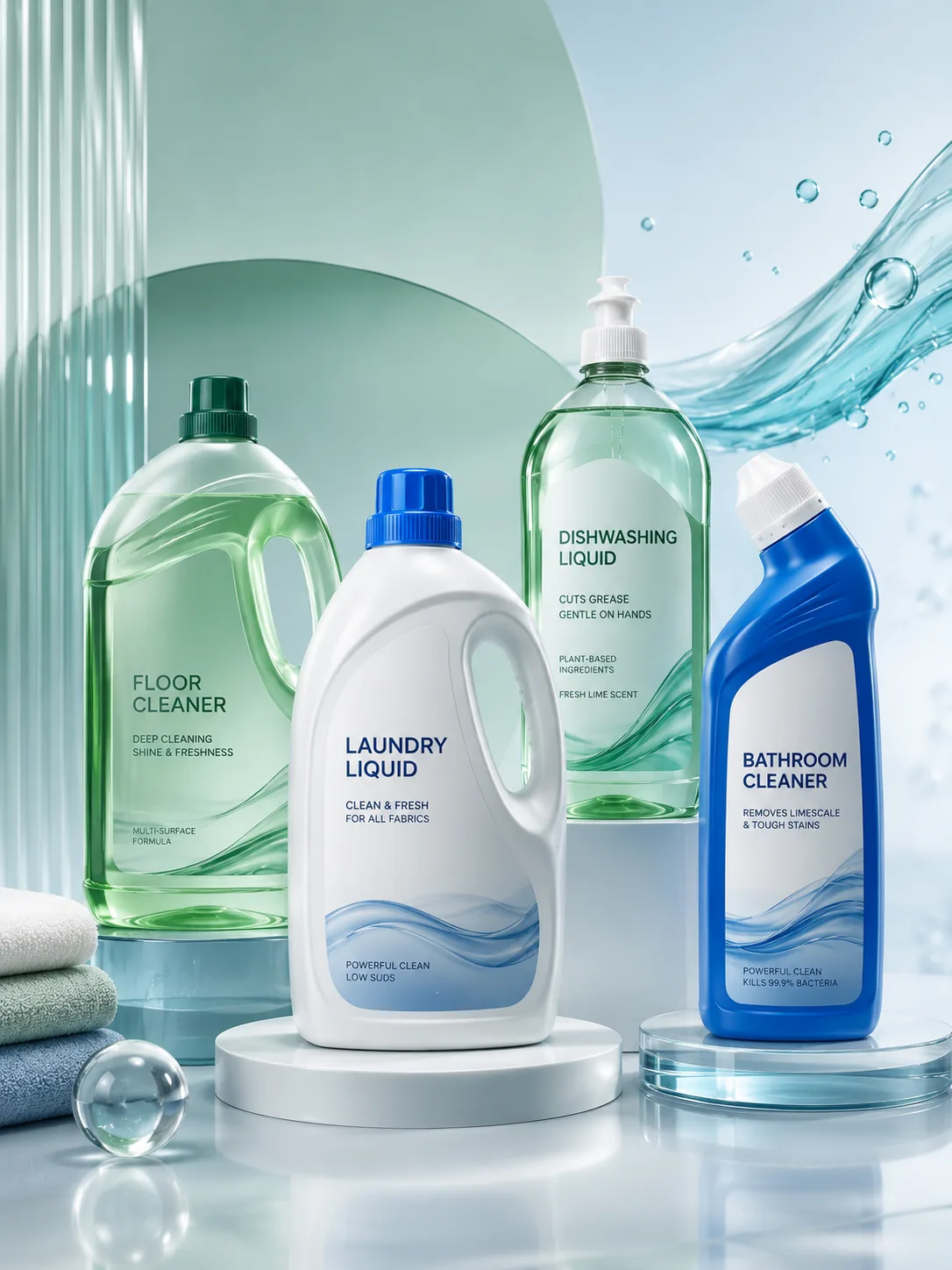
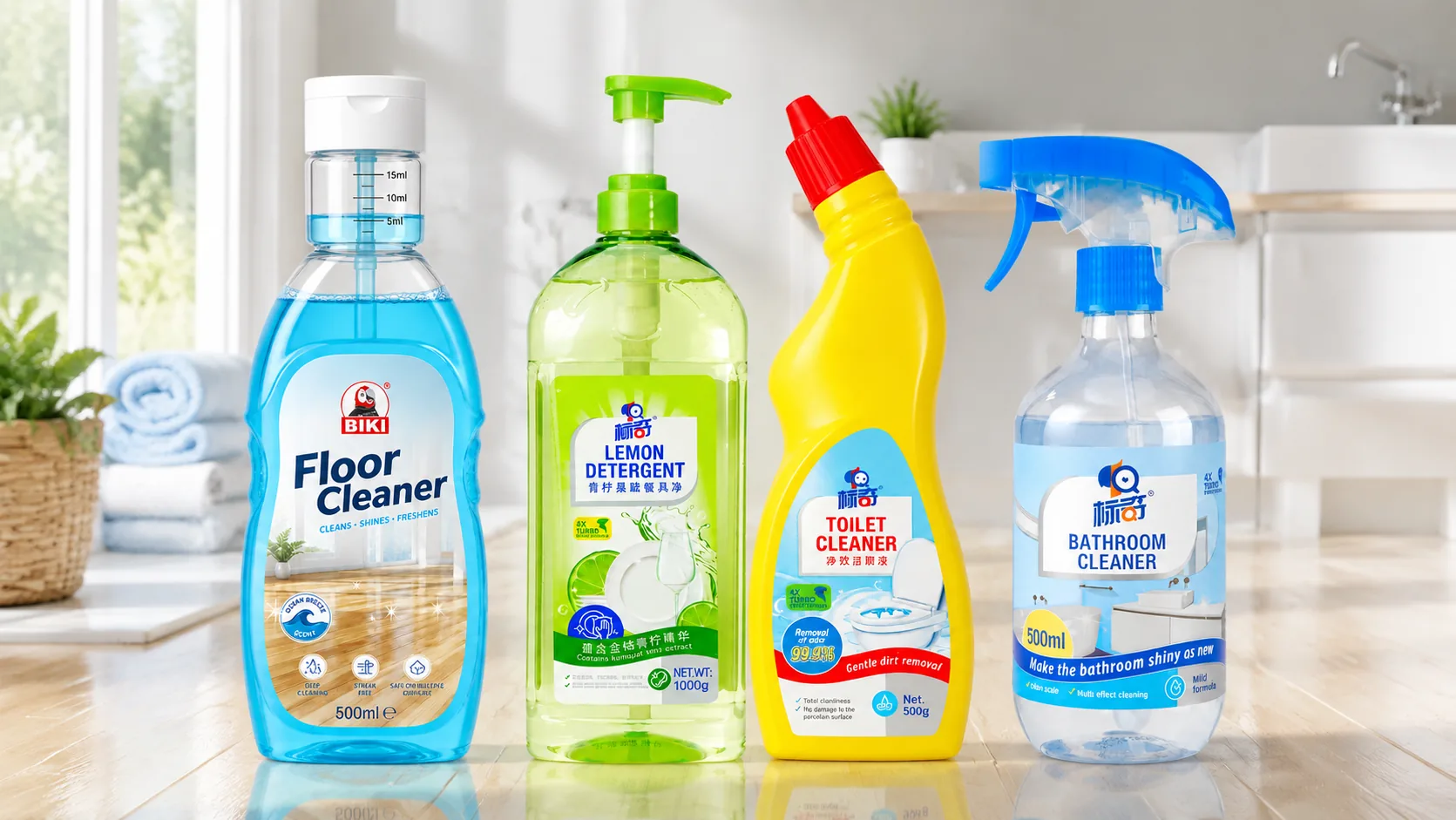
Floor cleaner is one of the most recognizable household cleaning categories and can be suitable for supermarkets, wholesalers, distributors and private label brands.
Because floor cleaning is a regular household activity, buyers can position these products around different consumer needs, such as:
- Everyday floor cleaning
- Tile cleaning
- Hard-surface cleaning
- Fresh fragrance
- Concentrated formulas
- Different package sizes
For new cleaning brands, floor cleaner can also be a practical starting product because consumers can easily understand its purpose.
The opportunity is not necessarily to create another generic floor cleaner.
Instead, buyers can differentiate through formula performance, fragrance, packaging, bottle design and brand positioning.
Dishwashing Liquid
Dishwashing liquid is another high-frequency household cleaning category.
Unlike products that consumers may only purchase occasionally, dishwashing liquid is used regularly in many households, creating opportunities for repeat purchases.
For B2B buyers, differentiation can come from:
- Cleaning performance
- Grease-cutting ability
- Fragrance
- Bottle size
- Packaging
- Concentration
- Brand positioning
When developing a new household cleaning range, dishwashing liquid can work well as a core product alongside other everyday cleaning categories.
For private label brands, it can also provide an opportunity to establish a recognizable fragrance and packaging identity across multiple products.
Bathroom and Toilet Cleaning Products
Bathroom and toilet cleaners can be considered together as a broader bathroom cleaning category.
Instead of treating each product as an isolated SKU, distributors and private label brands can build a coordinated bathroom cleaning range.
For example:
- Toilet Cleaner
- Bathroom Cleaner
- Glass Cleaner
This approach can make it easier for customers to understand the relationship between different products while giving distributors more opportunities to expand their product range.
Potential product positioning can focus on:
- Everyday bathroom cleaning
- Stain removal
- Fresh fragrance
- Hygiene
- Tile and surface cleaning
- Easy application
Packaging is also important because the purpose of the product should be immediately understandable to consumers.
Seasonal and Climate-Driven Cleaning Products
Not every cleaning product follows the same demand pattern.
Some categories are influenced more strongly by climate, household habits and seasonal conditions.
For international B2B buyers, this creates an opportunity to look beyond traditional household cleaning products and identify categories that are more relevant to specific markets.
One example is air conditioner cleaning products.
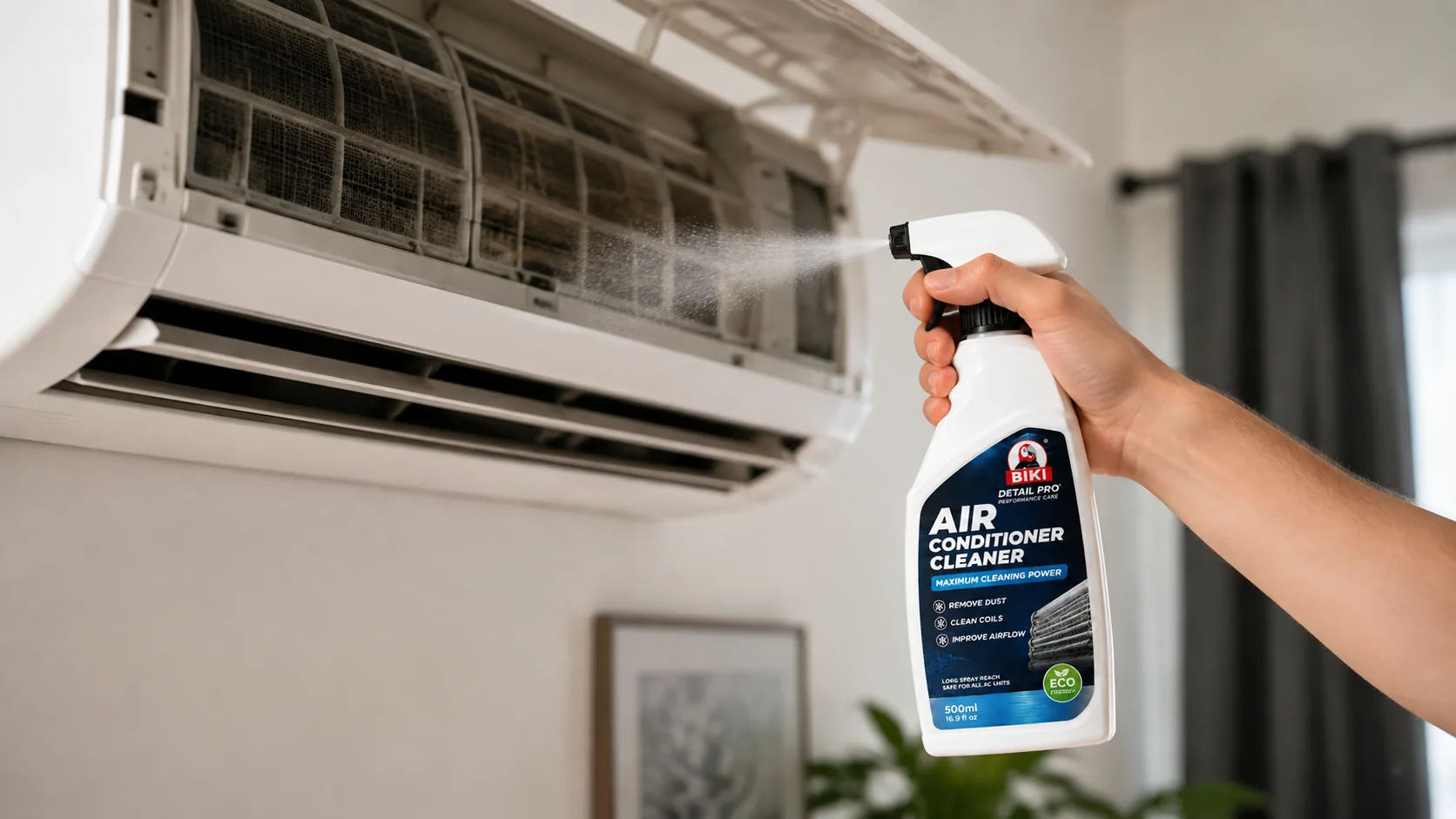
Air Conditioner Cleaner: A Specialized Opportunity
Air conditioner cleaning products can be particularly interesting in markets where air-conditioning systems are widely used.
Regular cleaning can be associated with maintaining:
- Air conditioner filters
- Cooling surfaces
- Vents
- Household air-conditioning units
- Split air-conditioning systems
For manufacturers and private label brands, this category can provide a way to expand beyond conventional household cleaners.
The opportunity is especially relevant for businesses targeting warm climates or markets where air-conditioning usage remains high throughout a large part of the year.
However, buyers should evaluate local climate conditions and consumer habits before assuming that air conditioner cleaning products will have the same demand in every market.
For a cleaning product portfolio, AC cleaner can therefore be viewed as a specialized or climate-driven product, rather than a universal replacement for everyday cleaning products.
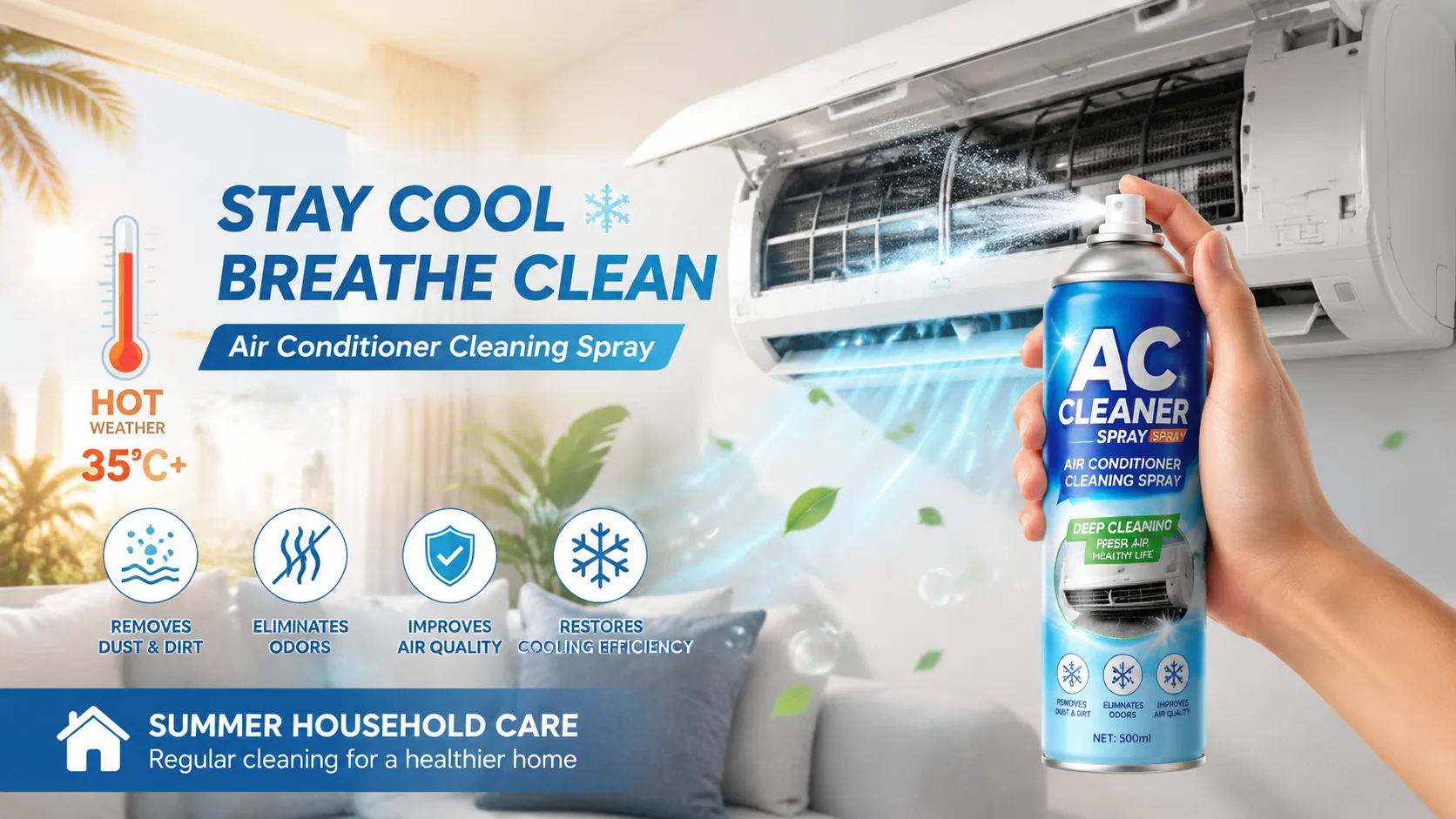
Kitchen Degreasers
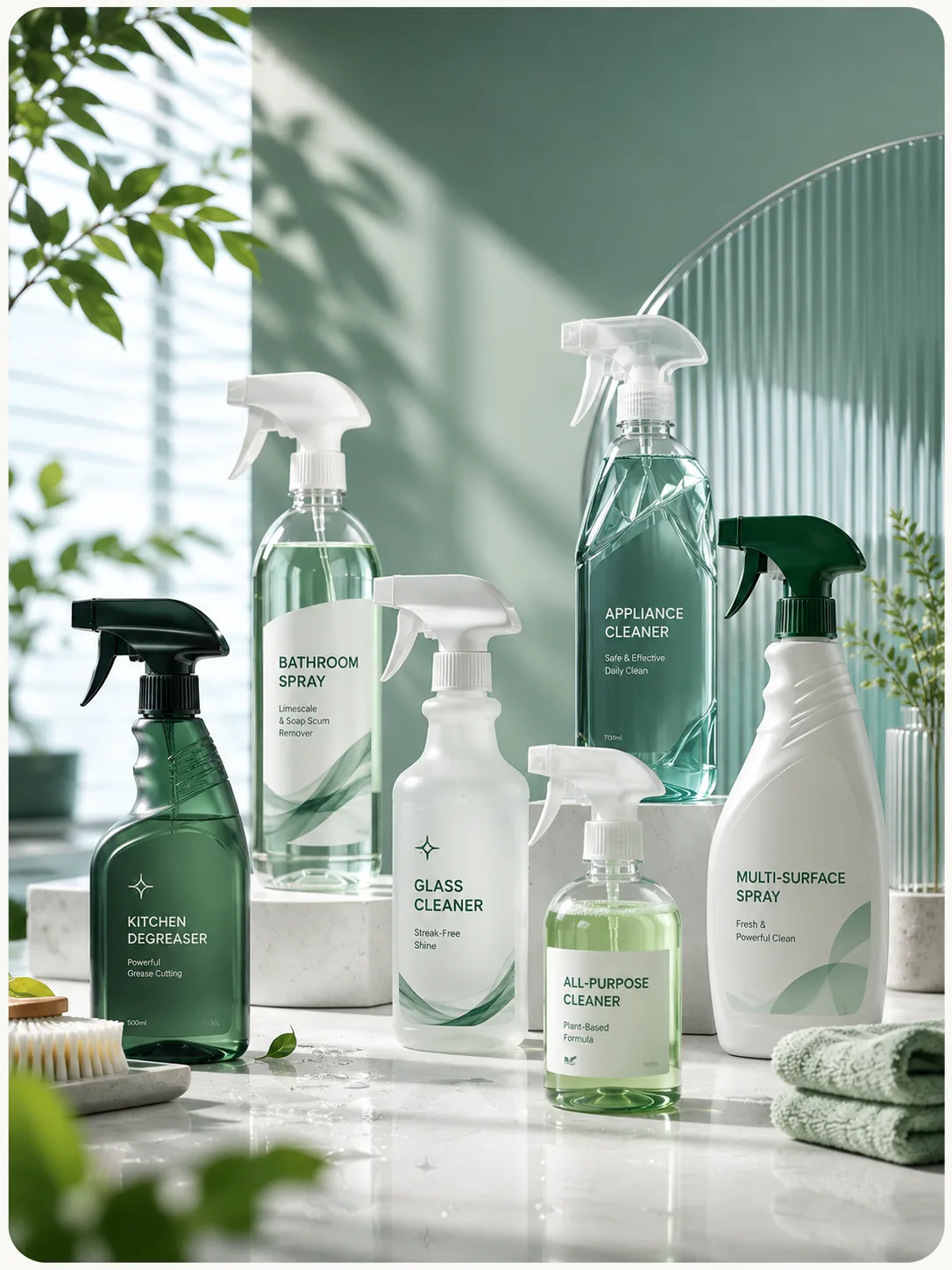
Kitchen cleaning is another area where specialized products can create additional opportunities.
Dishwashing liquid handles dishes and utensils, while kitchen degreasers can focus on greasy surfaces and cooking areas.
Potential applications include:
- Stovetops
- Kitchen counters
- Cooking surfaces
- Range hoods
- Greasy household surfaces
This creates a natural product combination:
- Dishwashing Liquid
- Kitchen Degreaser
- Kitchen Cleaning Range
For distributors and private label brands, building a product family around a specific household cleaning task can be more effective than simply adding unrelated SKUs.
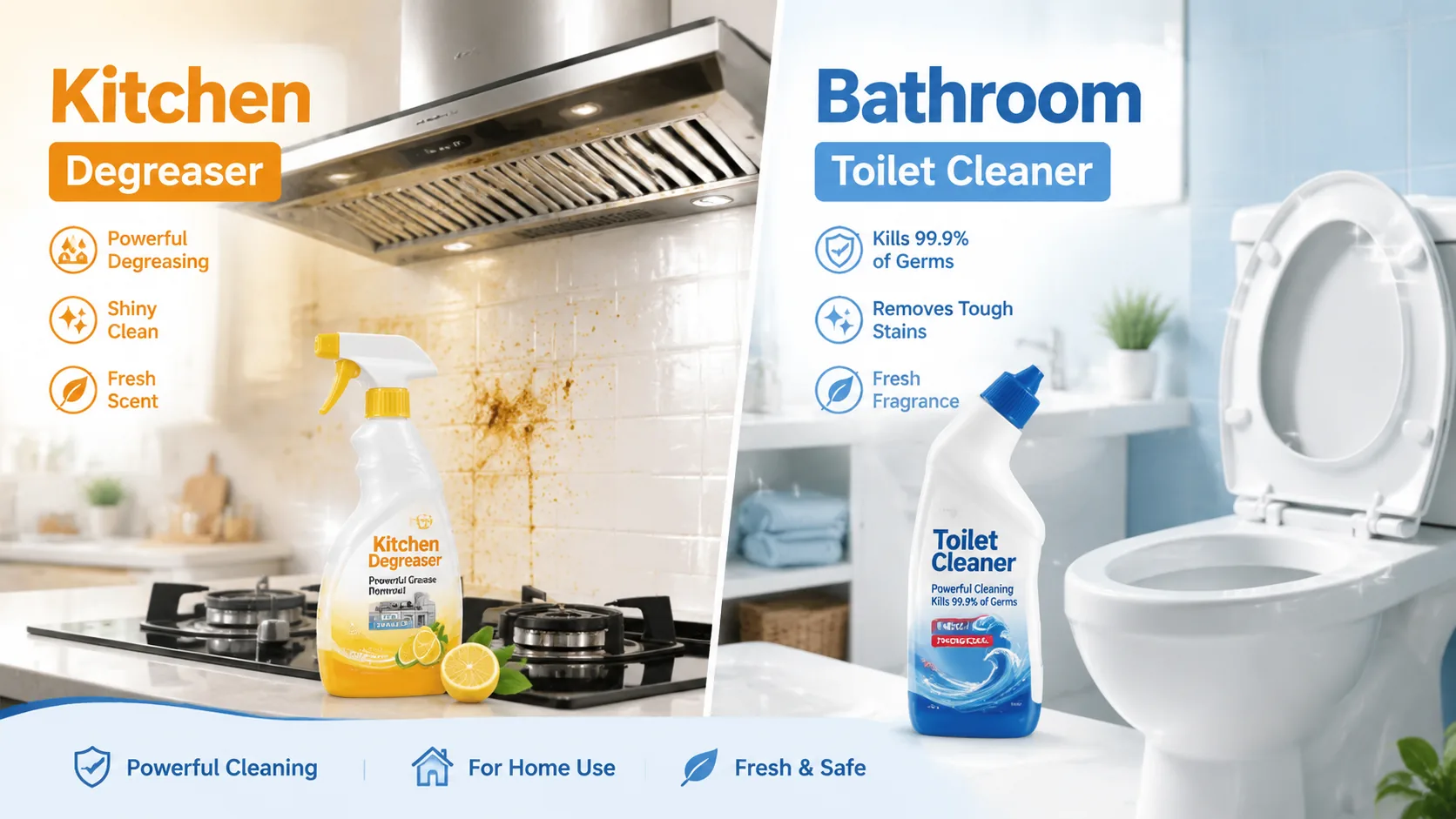
Glass Cleaner and Specialty Glass Care
Glass cleaner is another category worth considering when developing a broader cleaning portfolio.
Traditional glass cleaners can focus on:
- Windows
- Mirrors
- Glass surfaces
- Streak-free cleaning
- Shine
- Dust removal
However, there is also room for more specialized glass-care products.
For example, products designed around water repellency, easier maintenance or longer-lasting surface protection can help a brand move beyond basic price competition.
This creates a possible product development path:
- Glass Cleaner
- Glass Care
- Specialized Glass Protection
For private label buyers, this type of product development can create additional opportunities for differentiation.
Fabric and Sofa Cleaners
Another category worth watching is fabric and upholstery care.
Unlike general-purpose cleaners, fabric and sofa cleaners address a more specific household cleaning need.
Potential applications include:
- Sofas
- Fabric chairs
- Upholstery
- Household textiles
- Carpets and similar surfaces
These products can be positioned as part of a broader home care or deep-cleaning range.
They may also complement seasonal household cleaning activities, especially when consumers are preparing their homes for guests, holidays or year-end gatherings.
For B2B buyers, specialized products like fabric and sofa cleaners can provide a way to expand a household cleaning range without competing entirely on basic everyday cleaning products.
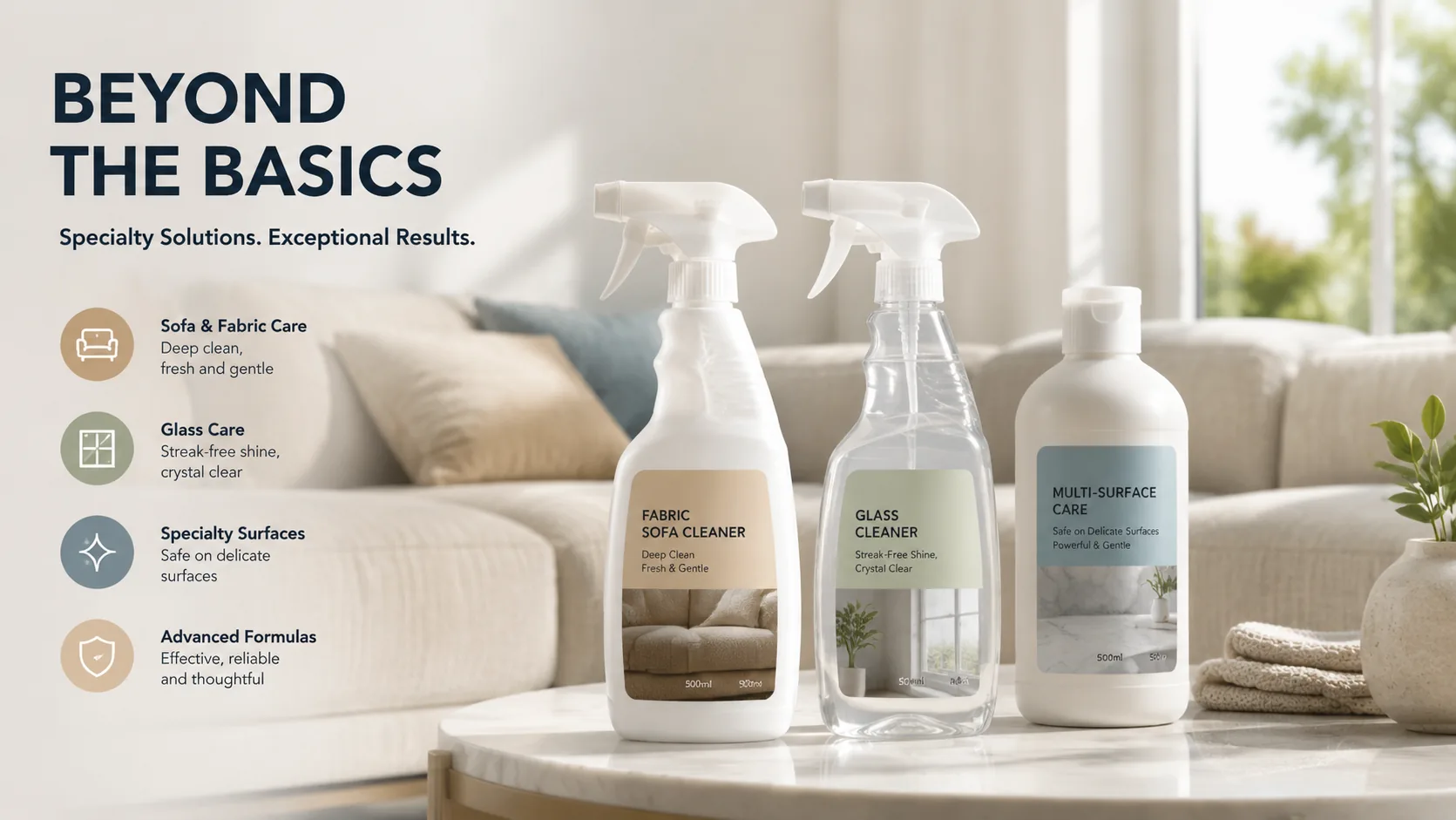
Three Product Categories B2B Buyers Should Consider
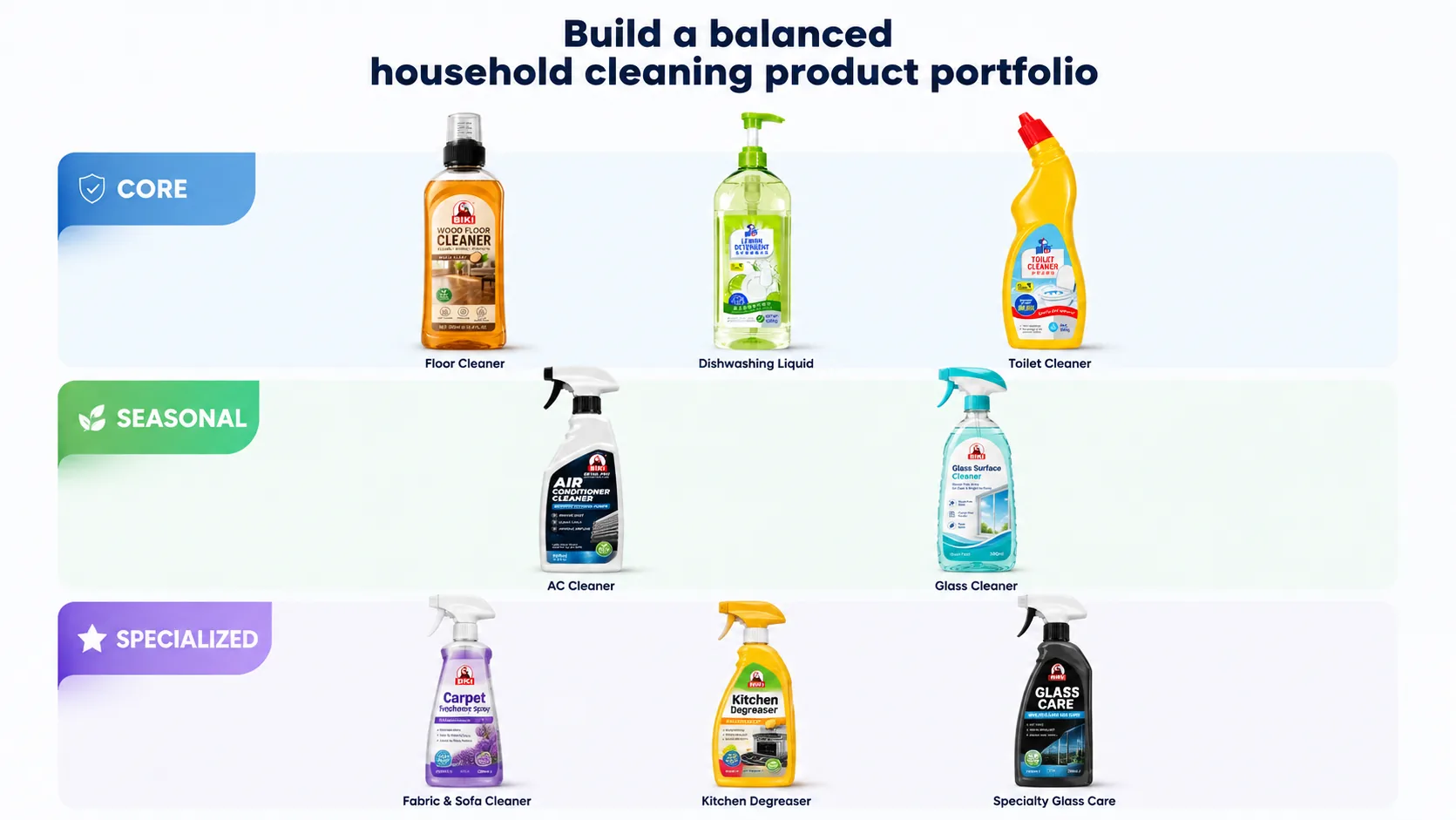
When planning a household cleaning product range for the next six months, it can be useful to divide products into three groups.
Core Products
These are products with broad everyday applications.
Examples include:
- Floor Cleaner
- Dishwashing Liquid
- Toilet Cleaner
- Bathroom Cleaner
Their main advantage is their potential for regular household use.
Seasonal and Climate-Driven Products
These products may be influenced by climate, weather or seasonal household behavior.
Examples include:
- Air Conditioner Cleaner
- Specialized Glass Cleaner
- Certain outdoor surface cleaners
The right opportunities will depend heavily on the target market.
A product that is highly relevant in a warm climate may have a very different demand profile in a colder market.
Specialized and Growth Products
These products address more specific cleaning needs and can help brands differentiate their product range.
Examples include:
- Kitchen Degreaser
- Fabric & Sofa Cleaner
- Specialty Glass Care
- Other problem-specific surface cleaners
These products can be particularly useful for brands that already have a core household cleaning range and want to expand into higher-value or more specialized categories.
Don't Build a Product Range Around Seasonal Products Alone
One important consideration for B2B buyers is balance.
It can be tempting to focus entirely on products that appear to have strong seasonal potential.
However, a more sustainable product range can combine:
- Evergreen Products
- Seasonal Products
- Specialized Products
For example, a new household cleaning brand might begin with:
- Floor Cleaner
- Dishwashing Liquid
- Toilet Cleaner
Then expand into:
- Bathroom Cleaner
- Kitchen Degreaser
- Glass Cleaner
And later introduce more specialized products such as:
- Air Conditioner Cleaner
- Fabric & Sofa Cleaner
- Specialty Glass Care
This approach allows the brand to build a broader cleaning portfolio gradually rather than launching too many products at the same time.
When Should You Start Sourcing These Products?
Identifying promising product categories is only the first step.
The next question is:
When should a B2B buyer actually start sourcing?
A product may be needed several months from now, but the sourcing process can begin much earlier.
For standard products, buyers may need time to:
- Compare manufacturers
- Request quotations
- Review specifications
- Request samples
- Confirm MOQ
- Compare packaging options
- Negotiate pricing
For private label products, the process can be even longer.
Buyers may also need to confirm:
- Formula
- Fragrance
- Bottle
- Label
- Packaging
- Product specifications
- Production schedule
This is why seasonal demand should be considered together with procurement lead time.
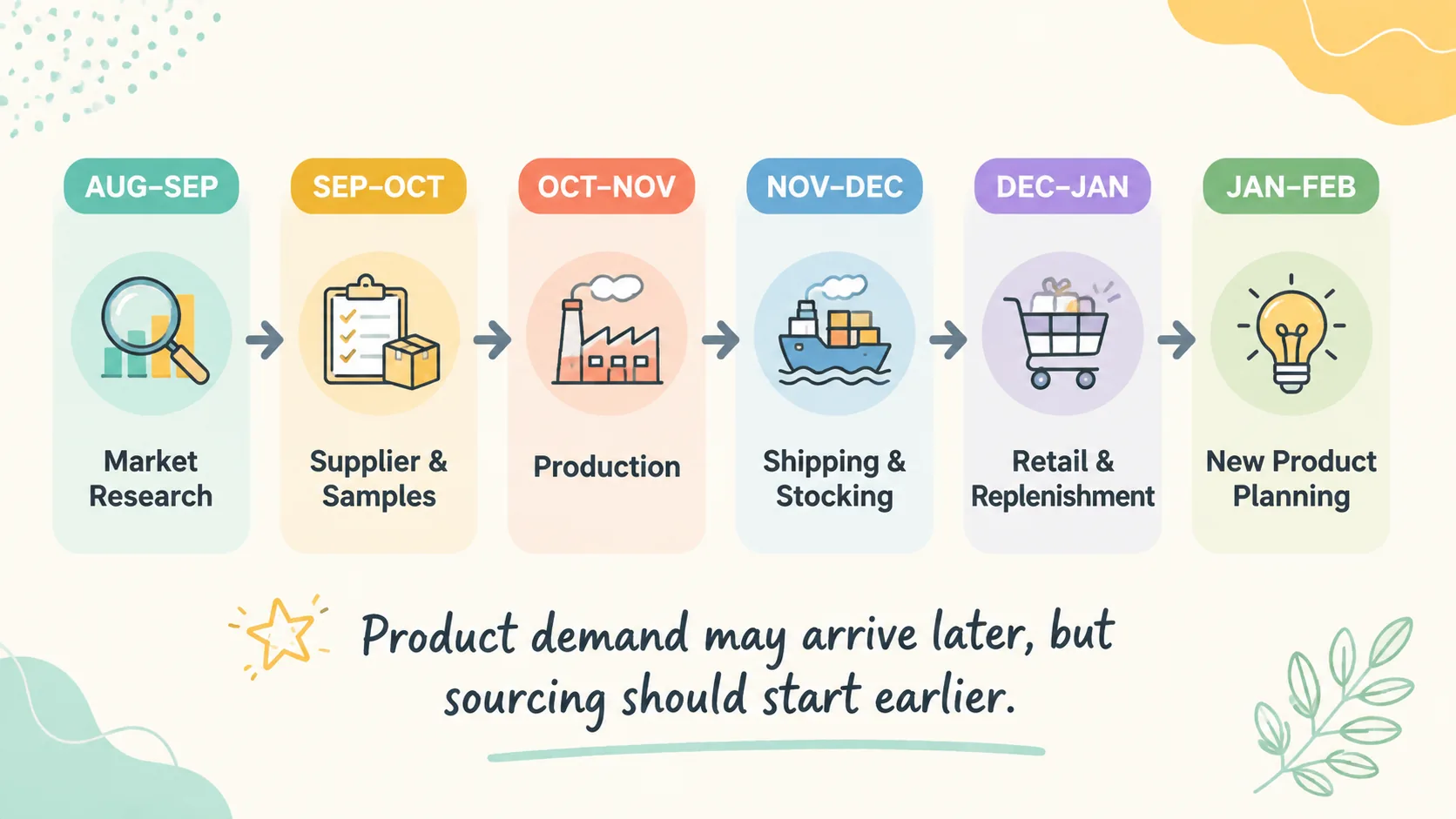
The demand may arrive later, but sourcing should start earlier.
A Practical Six-Month Procurement Framework
The exact timeline will depend on the market, product category, MOQ, customization requirements and shipping method.
However, B2B buyers can use a general framework when planning their next household cleaning product order.
August – September
Market Research & Product Planning
Review market opportunities, identify product categories and define the target customer.
September – October
Supplier Search & Samples
Compare manufacturers, request quotations and evaluate product samples.
October – November
Product Confirmation & Production
Confirm formula, fragrance, packaging, labels and purchase quantities before moving into production.
November – December
Shipping & Inventory Preparation
Arrange shipment, import procedures and local warehouse preparation.
December – January
Retail & Replenishment
Monitor sales performance and identify products that may require replenishment.
January – February
New Product Planning
Review sales results and begin planning new products or product extensions for the next cycle.
The timeline is not universal, but the principle remains the same:
Good procurement planning begins before demand reaches its peak.
What Should Buyers Consider Before Choosing a Product?
Before adding a new household cleaning product to a portfolio, B2B buyers should consider several questions.
Is there a clear consumer need?
A product should solve a recognizable cleaning problem.
Does it fit the target market?
Climate, household habits, purchasing power and retail channels all matter.
Can it be differentiated?
Formula, fragrance, packaging and product positioning can all create differentiation.
Can the supplier customize it?
Private label buyers may need more than a standard formula.
Can the product be produced consistently?
A product may look attractive during the sampling stage, but long-term quality consistency is equally important.
Can the product be shipped efficiently?
Bottle size, packaging and carton configuration can influence logistics costs.
Does it complement the existing product range?
The strongest product portfolios are often built around logical combinations rather than unrelated products.
The Opportunity for Private Label Brands
The next six months can also be a useful period for private label brands to review their existing product ranges.
Instead of simply asking:
"Which cleaning product should we sell?"
A better question may be:
"What type of household cleaning range do we want to build?"
A private label brand could focus on:
- Everyday Home Cleaning
- Kitchen Cleaning
- Bathroom Cleaning
- Specialized Home Care
or a combination of several categories.
This approach gives the brand a clearer identity and makes it easier to introduce additional products later.
For manufacturers, this also creates opportunities to support buyers with:
- Formula development
- Fragrance customization
- Bottle selection
- Label design
- Packaging
- OEM production
- ODM product development
The Right Product Strategy Is More Important Than Chasing One "Hot Product"
There is no guaranteed formula for predicting which household cleaning product will become the next bestseller.
Market conditions change.
Consumer preferences change.
Climate varies between regions.
Retail channels have different requirements.
And purchasing power differs significantly between markets.
For this reason, B2B buyers should avoid building their entire strategy around one predicted trend.
A more practical approach is to create a balanced product portfolio:
Core Products for everyday demand.
Seasonal Products for specific market opportunities.
Specialized Products for differentiation and growth.
This gives the brand more flexibility while reducing dependence on a single product category.
Start Planning Before the Next Purchasing Window
The coming six months can provide opportunities for importers, distributors and private label brands to review their household cleaning product strategies.
The important question is not simply which products may become more popular.
It is how early a business can identify the opportunity, evaluate suppliers, test products and prepare inventory.
For standard household cleaning products, earlier sourcing can provide more time to compare options.
For private label products, early planning can provide more time for customization and product development.
And for distributors entering a new market, early product research can make it easier to build a balanced product range.
The earlier you understand the opportunity, the more time you have to prepare for it.
Building Your Next Household Cleaning Product Range
BIKIhomecare works with importers, distributors, wholesalers and private label brands looking to develop household cleaning products for international markets.
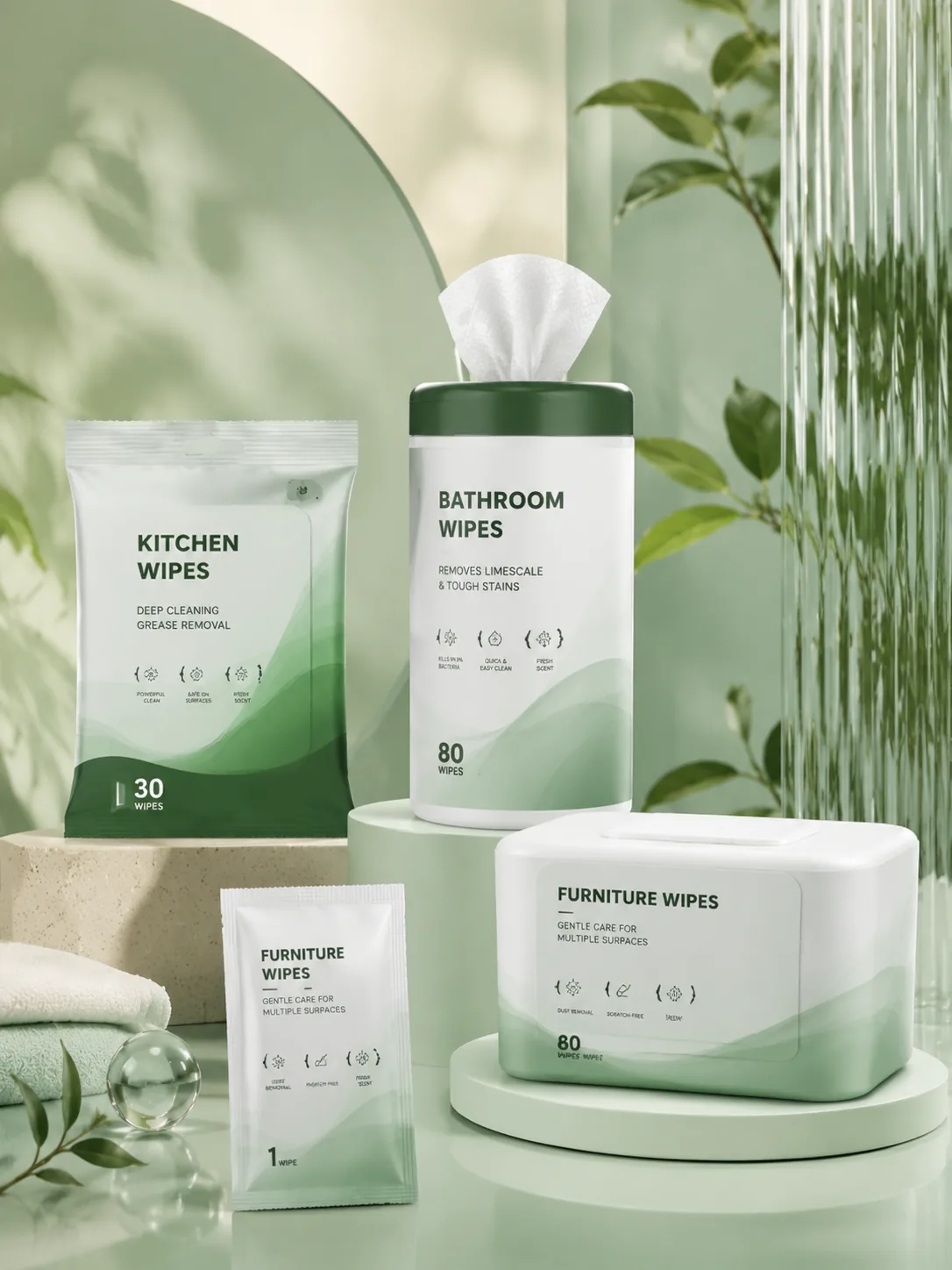
Our product development and manufacturing capabilities cover multiple household cleaning categories, including liquid cleaners, spray cleaners, cleaning wipes and cleaning tools.
For private label and OEM projects, we can support different stages of product development, including:
- Formula development
- Fragrance customization
- Bottle selection
- Packaging
- OEM manufacturing
- ODM development
- Filling and production
- Quality control
- Export support
Whether you are looking for everyday household cleaning products, seasonal opportunities or specialized cleaning solutions, developing the right product range starts with understanding your target market and planning your sourcing strategy early.
Looking for Household Cleaning Products for Your Market?
If you are planning to introduce a new household cleaning product range, expand your existing portfolio or prepare for the next purchasing season, BIKIhomecare can help you explore suitable OEM and ODM solutions.
Tell us about your:
- Target market
- Product categories
- Estimated order quantity
- Packaging requirements
- Fragrance preferences
- Private label requirements
Our team can help you explore suitable household cleaning products and manufacturing solutions for your market.
Explore household cleaning products, packaging options and customization solutions for international B2B markets.