

What eight years of selling household cleaning products online taught us about consumer demand, product development and OEM manufacturing
When you work with household cleaning products for long enough, you start to notice something interesting.
A product that looks ordinary on a factory production line can perform very differently once it reaches the consumer.
Sometimes the difference comes from the formula. Sometimes it is the fragrance. Sometimes it is the bottle. And sometimes, surprisingly, it is simply the way the product is presented and the problem it promises to solve.
We have seen this ourselves.
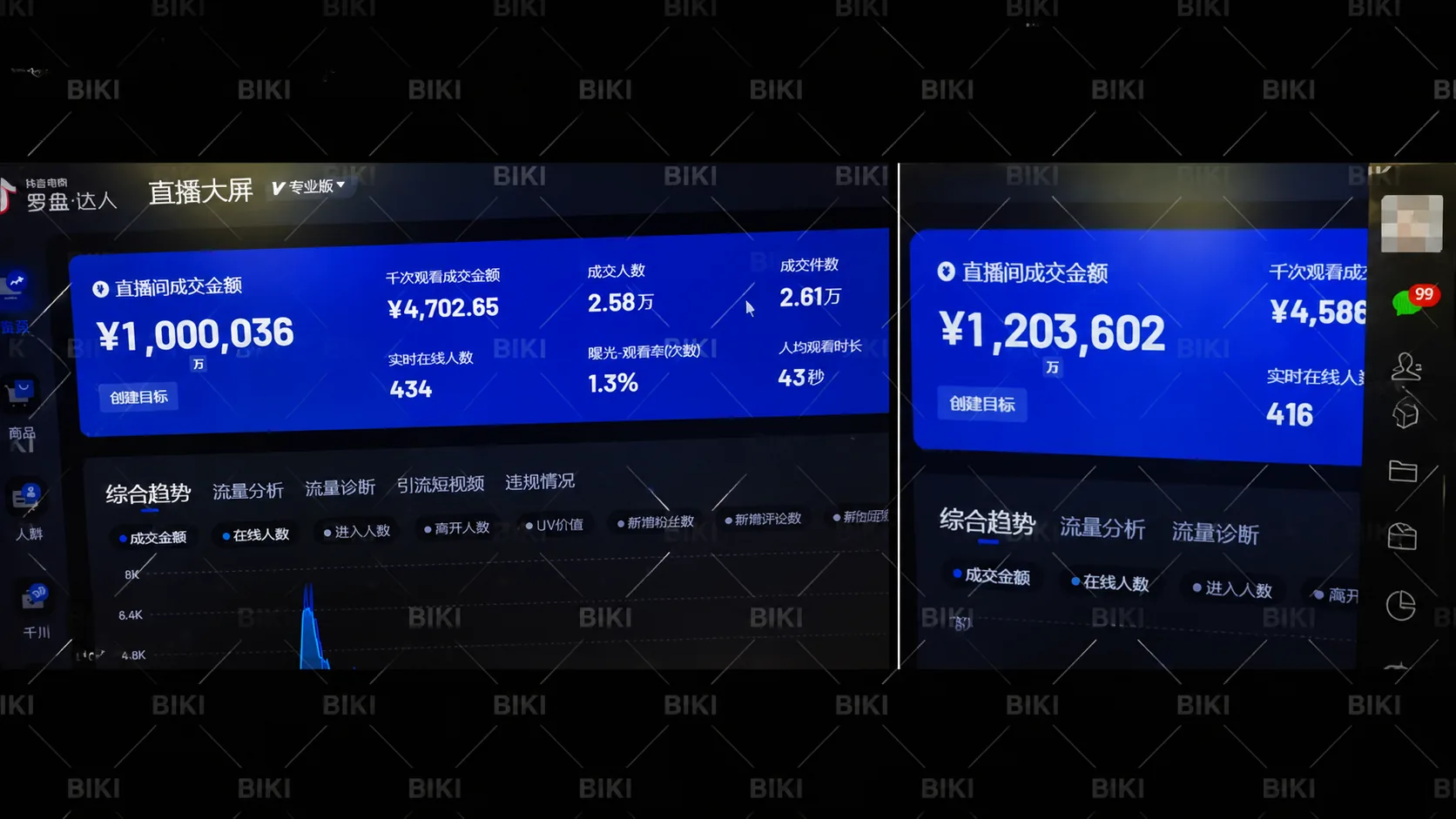
For more than eight years, our team has been involved in China's domestic household cleaning e-commerce market. During peak sales periods, our household cleaning products have reached daily sales of approximately RMB 1 million.
That experience has given us a perspective that is slightly different from a traditional cleaning product manufacturer.
We don't only think about whether a product can be manufactured.
We also think about why a consumer would choose it in the first place.
And we believe this is something worth sharing with importers, distributors and private label brands looking at the next generation of household cleaning products.
Key Takeaways for Household Cleaning Product Buyers
- Start with a specific consumer problem, not only a general product category.
- Treat formula, fragrance, packaging and product positioning as one development project.
- Use market feedback to test, improve and scale private label cleaning products.
- Choose an OEM partner that can support both product development and reliable production.
The Way People Buy Cleaning Products Is Changing
Household cleaning products used to be relatively straightforward.
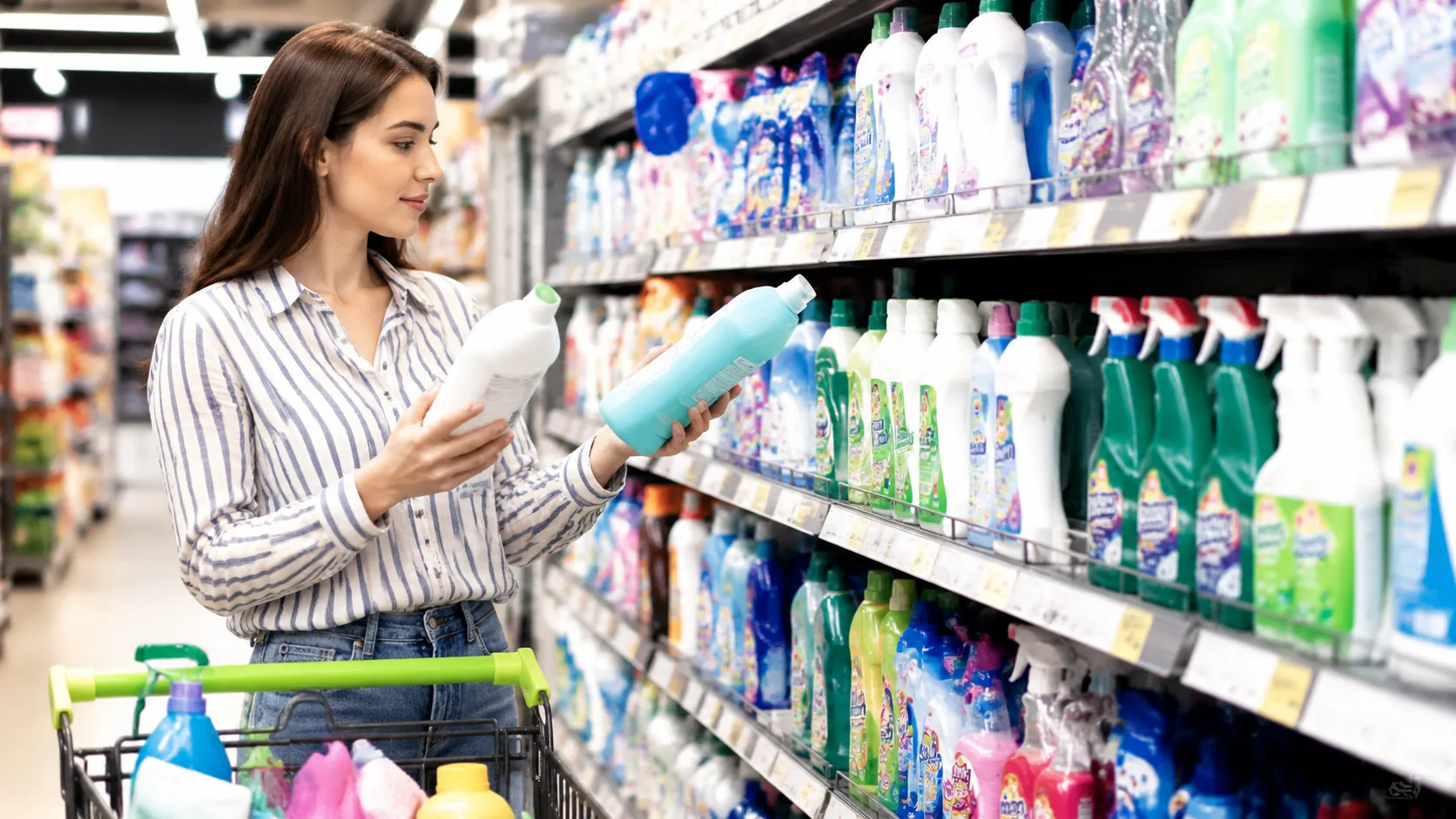
A consumer needed a floor cleaner, so they went to a supermarket and picked one from the shelf.
Today, the first interaction can happen somewhere completely different.
It might be an online marketplace, a short video, a product recommendation, a search result or a social media post.
The consumer may see five or ten similar products within a few minutes.
That changes the question.
It is no longer simply:
"Does this product clean?"
The consumer may also be thinking:
- What exactly does it clean?
- Will it solve my particular problem?
- Is it easy to use?
- Does it look trustworthy?
- Does it smell good?
- Why should I choose this one instead of the next product?
This is one of the reasons e-commerce is interesting for the household cleaning industry.
It doesn't just change where products are sold.
It can also influence how products are developed.
Consumers Are Looking for More Specific Solutions
One of the clearest things we have noticed over the years is the move away from simply offering a "general cleaner."
People have very specific cleaning problems.
They have grease around the kitchen.
They have water marks on glass.
They have stains on a sofa.
They have dirt on bathroom surfaces.
They have floors that need regular cleaning.
They have air conditioners that need maintenance.
Once you look at cleaning from this perspective, product development becomes much more interesting.
Instead of asking:
"What type of cleaner can we manufacture?"
we can ask:
"What cleaning problem are we trying to solve?"
That small change in thinking can lead to completely different products.
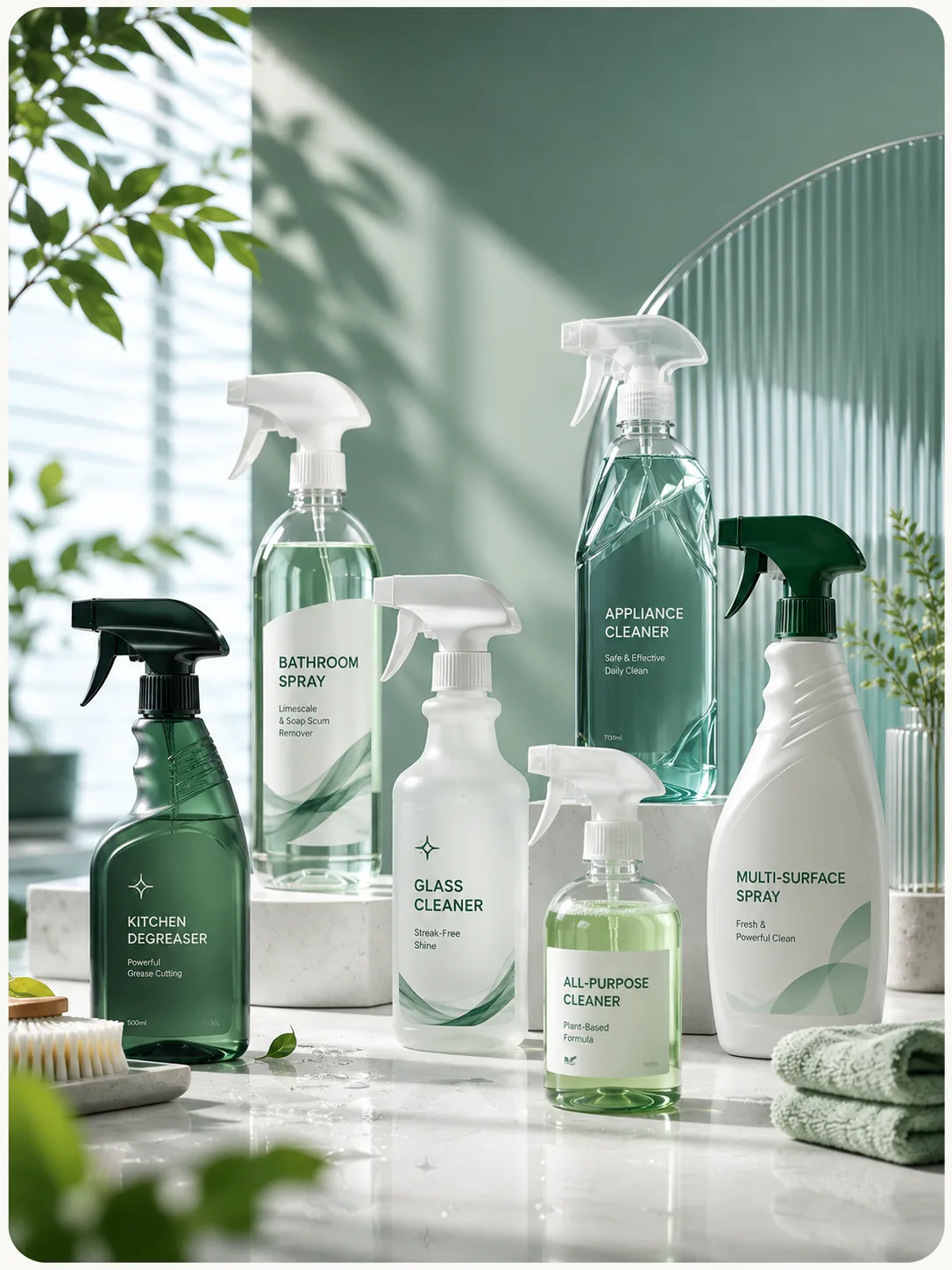
A kitchen degreaser, for example, has a very clear purpose.
A fabric and sofa cleaner speaks directly to people who want to clean upholstery.
An air conditioner cleaner is aimed at a completely different situation.
The products are all part of the household cleaning industry, but each one starts with a different consumer need.
A Good Cleaning Product Should Be Easy to Understand
This may sound obvious, but it is something that becomes very important when selling online.
A consumer should not have to spend five minutes trying to understand what a product does.
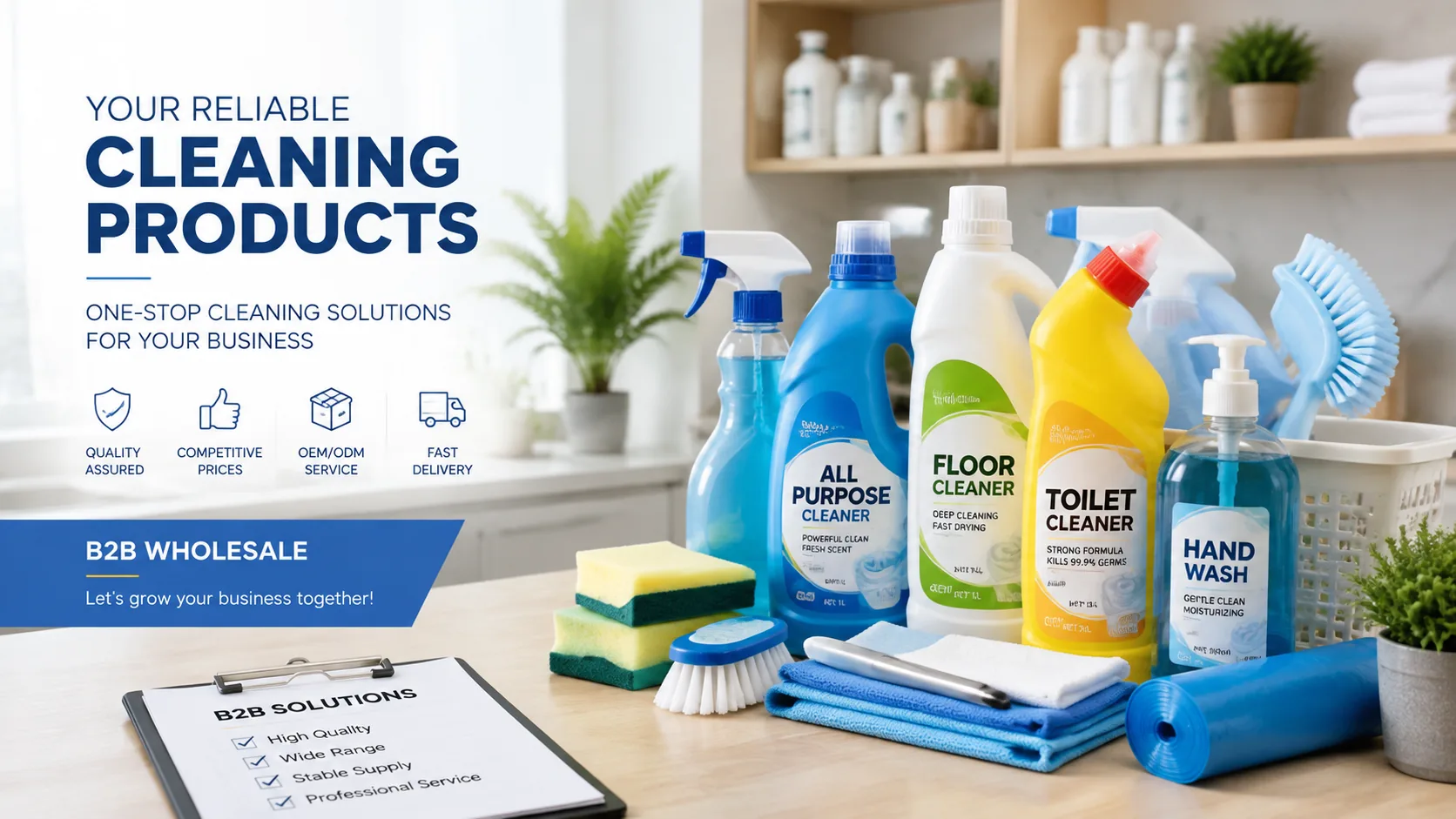
The name, bottle, label, images and product description should work together.
If someone sees a bottle of glass cleaner, they should immediately understand that it is for glass.
If they see a kitchen degreaser, they should understand that it is designed for grease and cooking-related cleaning.
This is also why product photography has become so important.
In an online environment, a product may have only a few seconds to make an impression.
A good product concept therefore needs more than a good formula.
It needs a clear story.
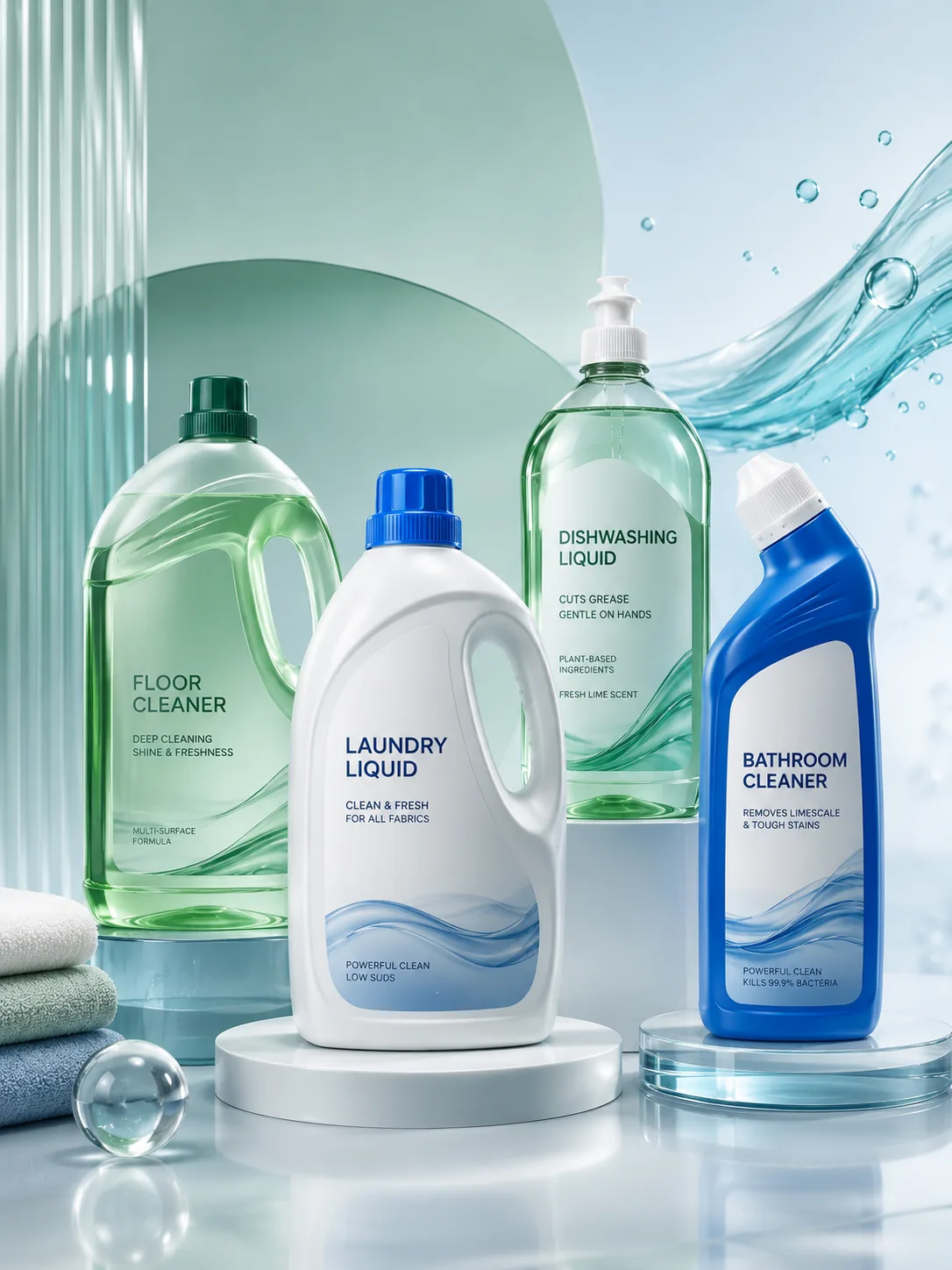
Packaging Is Part of the Product
We have learned this one from experience.
A bottle is not just something that holds the formula.
For a consumer-facing cleaning product, the bottle is part of the first impression.
Its shape, size, trigger or cap, label and overall appearance can influence how people perceive the product.
This becomes even more obvious online.
When a buyer sees a product on a screen, they cannot pick up the bottle.
They cannot feel its weight.
They cannot turn it around in their hands.
The product image has to do much of that communication.
This is why bottle development and packaging design should ideally be considered at the same time as the formula.
A good formula inside an unsuitable package may not create the same result as a well-designed product where everything works together.
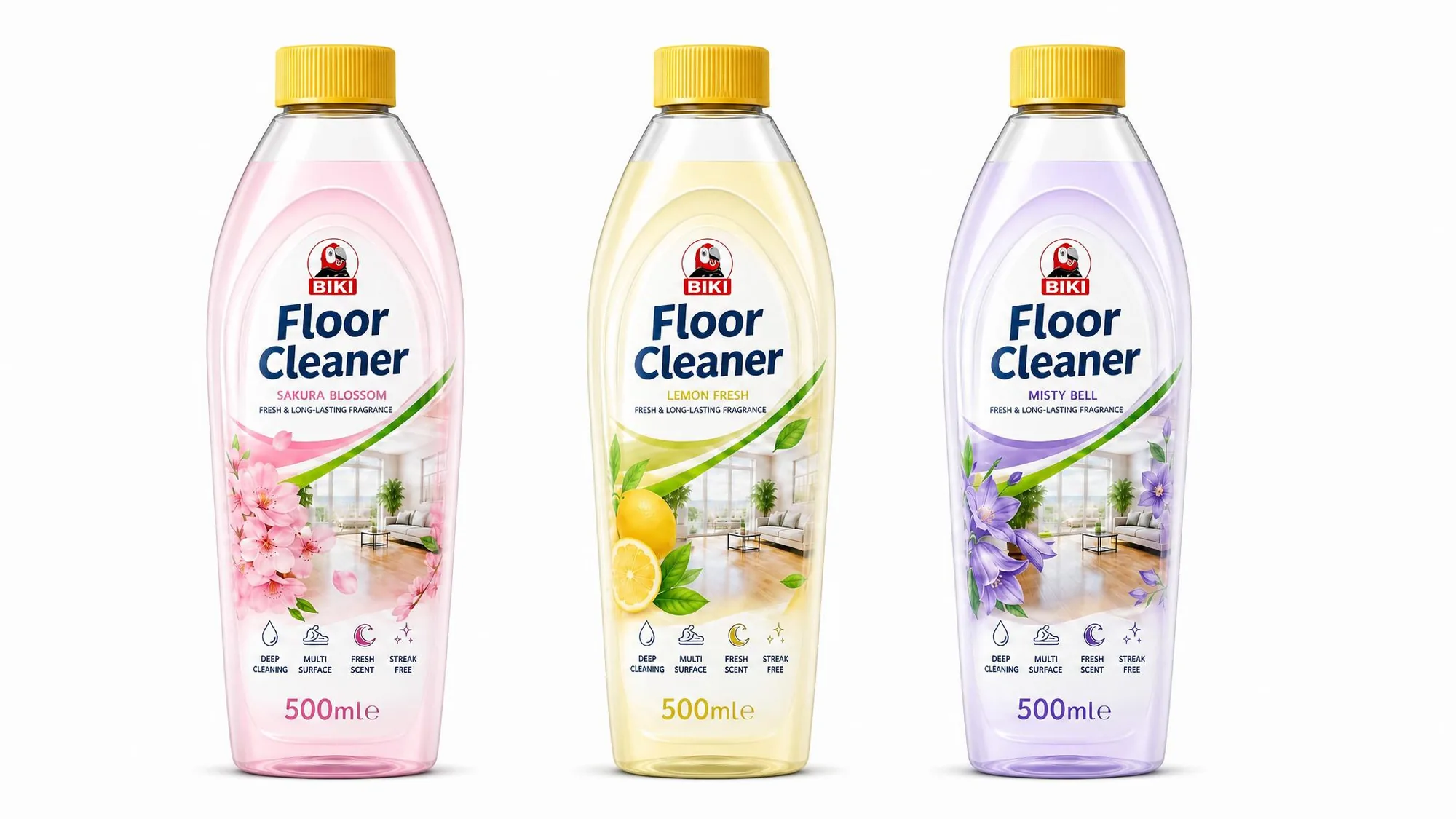
Fragrance Can Make a Familiar Product Feel Different
There is another part of household cleaning that is easy to underestimate: fragrance.
Cleaning performance will always be important, but fragrance can influence the overall experience of using a product.
Lemon, citrus, floral, fresh, fruity and other fragrance directions can give similar product categories very different personalities.
For a private label brand, this can become particularly useful.
Instead of simply putting a logo on a standard product, a brand can develop a consistent fragrance direction across its product range.
For example, a brand might use a fresh citrus concept across its floor cleaner, bathroom cleaner and kitchen products.
That creates a more recognizable product family.
From an OEM perspective, fragrance customization can therefore be more than a small detail.
It can be part of the product positioning.
What Eight Years of E-commerce Taught Us
Our e-commerce experience has changed the way we look at product development.
For more than eight years, we have been selling household cleaning products in China's domestic e-commerce market.
During peak sales periods, our products have reached approximately RMB 1 million in daily sales.
The number itself is meaningful to us, but the more valuable part is what we learned along the way.
We have seen how consumers react to different products, packaging, fragrances and cleaning concepts.
We have also seen that a product does not become successful simply because a factory is capable of producing it.
The product has to make sense to the person who is eventually going to use it.
That experience is something we now bring into our OEM and ODM work.
When we discuss a new product with a customer, we don't only think about the production process.
We also think about the consumer at the other end.
From Consumer Demand to a Real Product
This is where things become particularly interesting for OEM projects.
Imagine that a customer comes to us with a simple idea:
"We want to launch a new glass cleaner."
That sounds straightforward.
But there are actually many questions behind it.
What type of glass cleaner?
What kind of cleaning performance?
Which fragrance?
What bottle size?
What type of spray head?
What kind of label?
Is the product positioned as an everyday cleaner or a more specialized solution?
Who is going to buy it?
Where will it be sold?
How will the product benefit be communicated?
These questions can change the final product considerably.
The process we prefer is to look at the product from several angles at the same time:
- Consumer Need
- → Product Concept
- → Formula
- → Fragrance
- → Bottle
- → Packaging
- → Production
- → Market Feedback
The final step is important.
Once a product reaches the market, the feedback doesn't have to be the end of the process.
It can become the starting point for improving the next version.
This Is Where OEM Experience Really Matters
There are many manufacturers that can produce cleaning liquids.
That is important, of course.
But for a private label brand, manufacturing is only one part of the project.
You may also need help with the product itself.
You may have a general idea but not yet have the final formula.
You may know the target price but not know which bottle makes sense.
You may want a particular fragrance but need help turning the idea into a finished product.
You may already have a successful product and want to develop several related SKUs.
This is where an OEM partner can become much more valuable than a simple production supplier.
The goal is not simply:
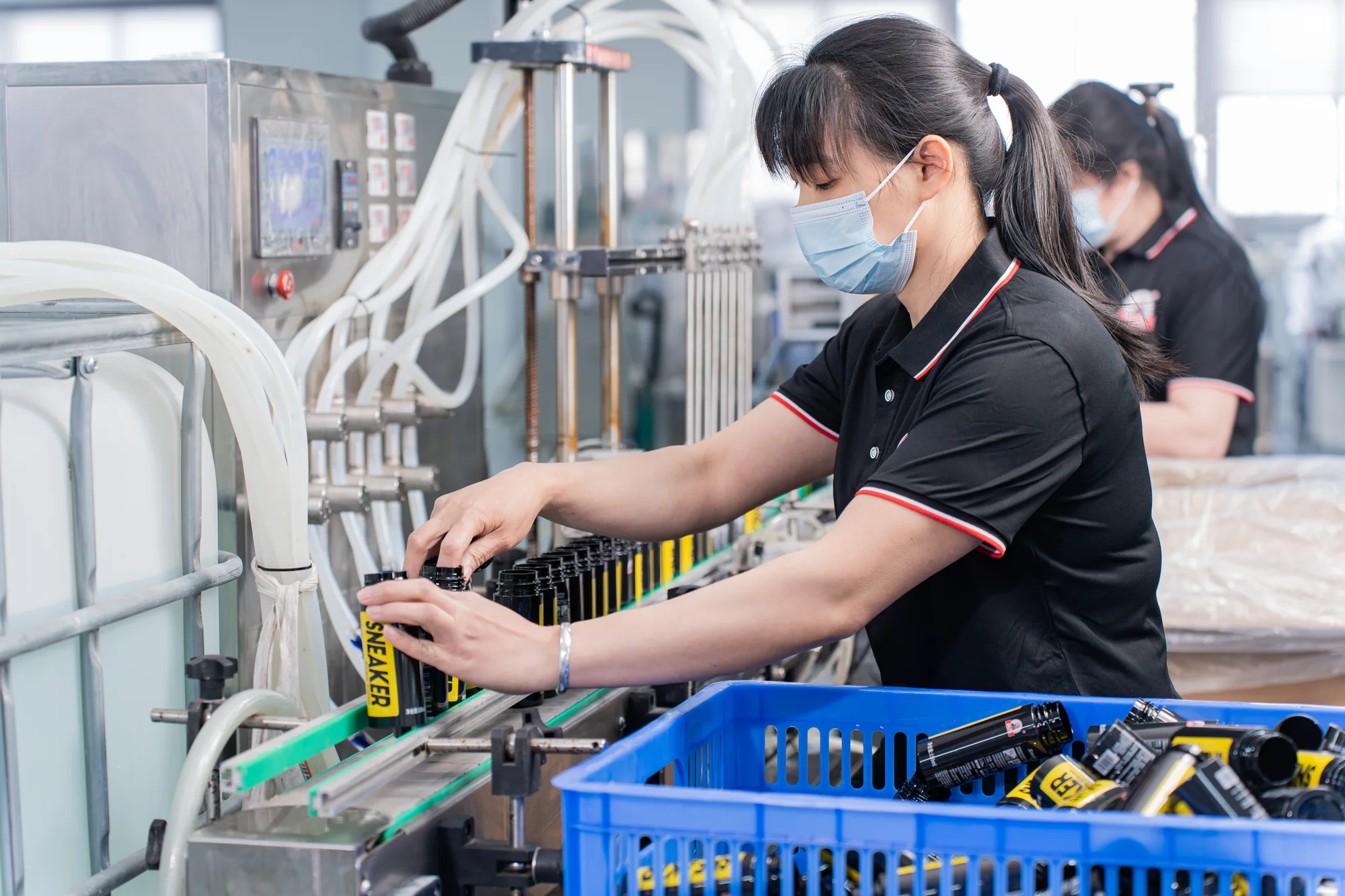
"Give us your formula and we will produce it."
The better relationship is:
"Let's work together to develop the product."
A Successful Product Also Needs a Reliable Supply Chain
There is another lesson that becomes obvious when a product starts selling well.
A successful product creates a new problem:
Can you make enough of it?
The first order may be manageable.
The second order may be larger.
Then the buyer may need regular replenishment.
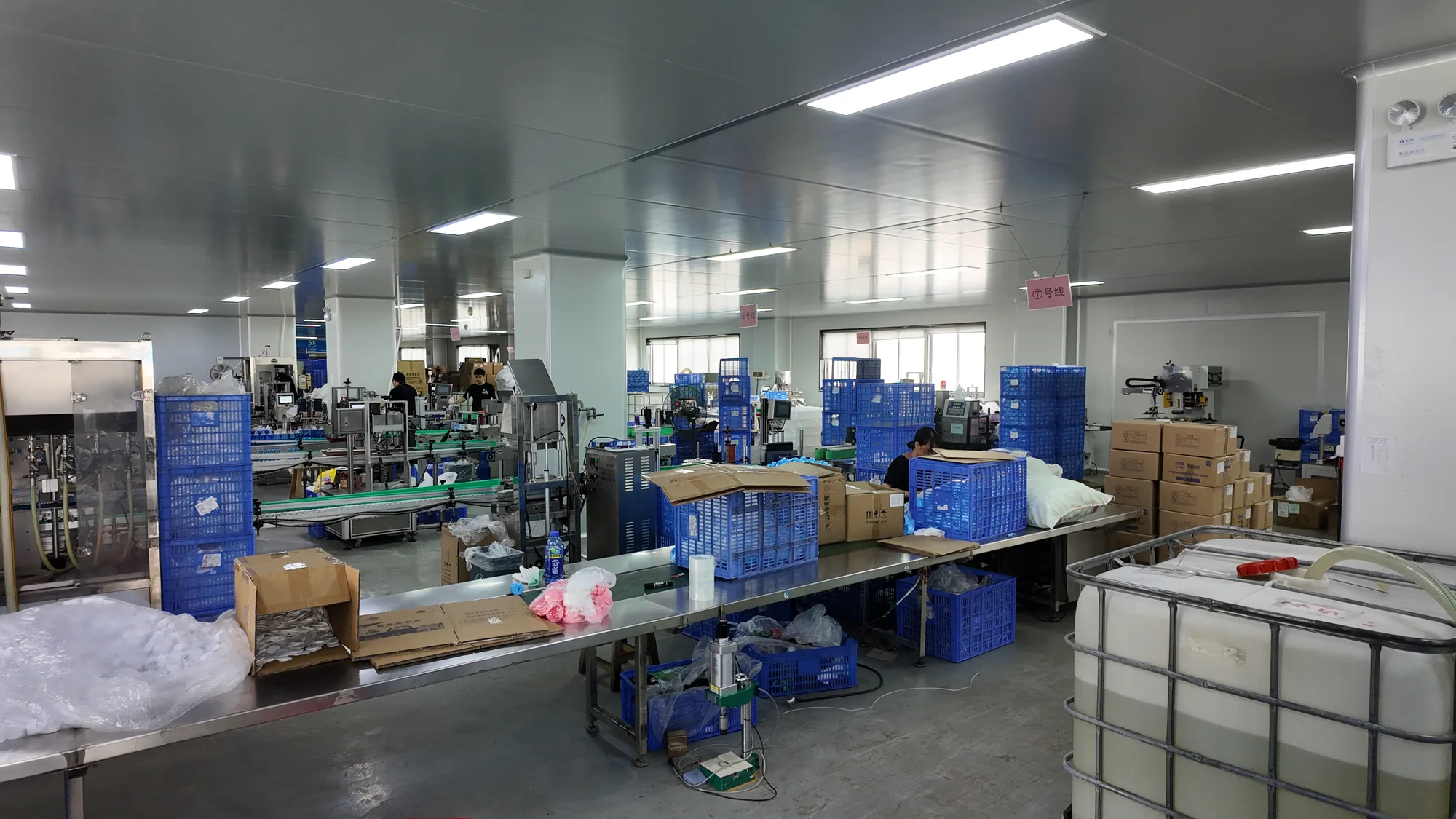
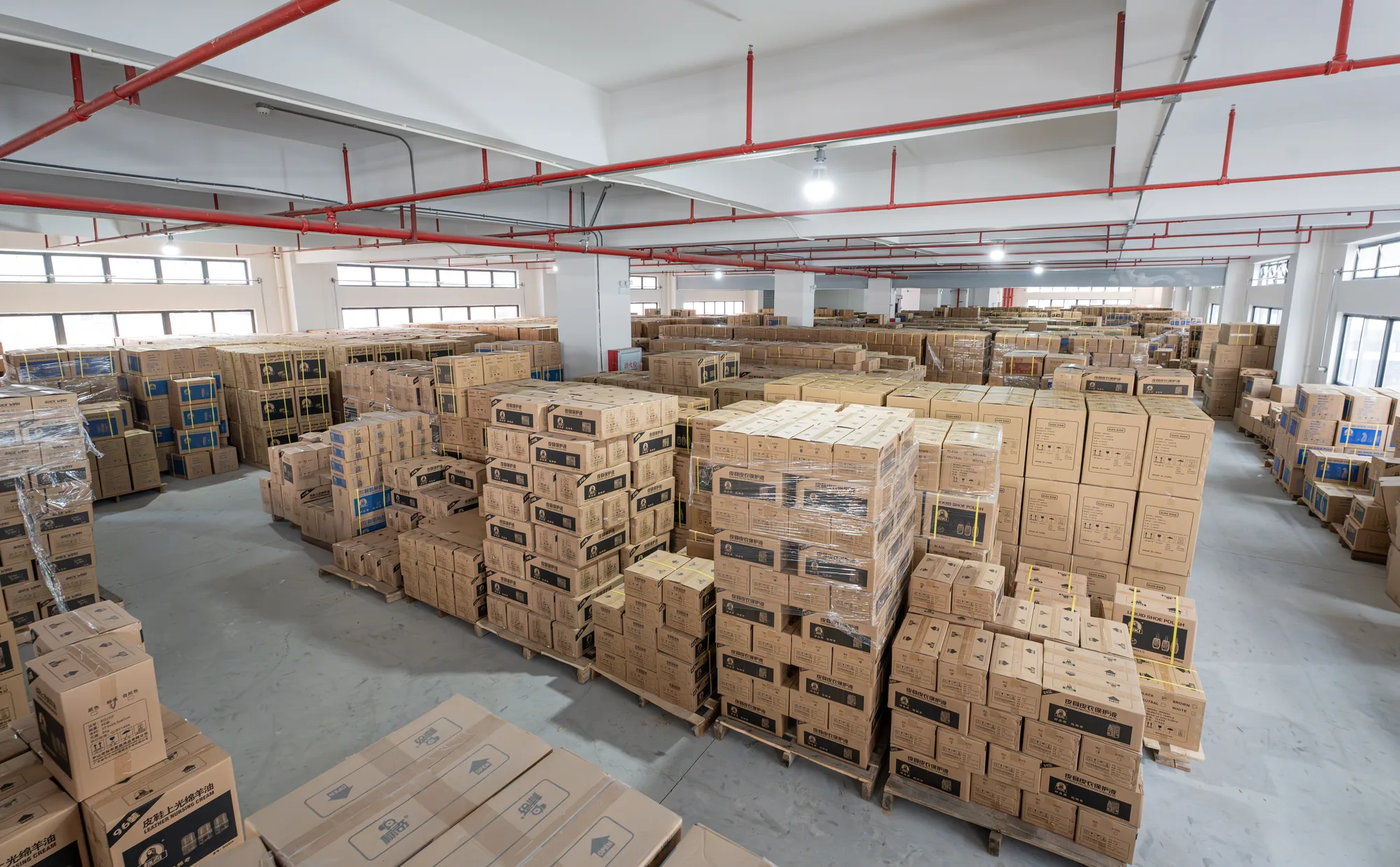
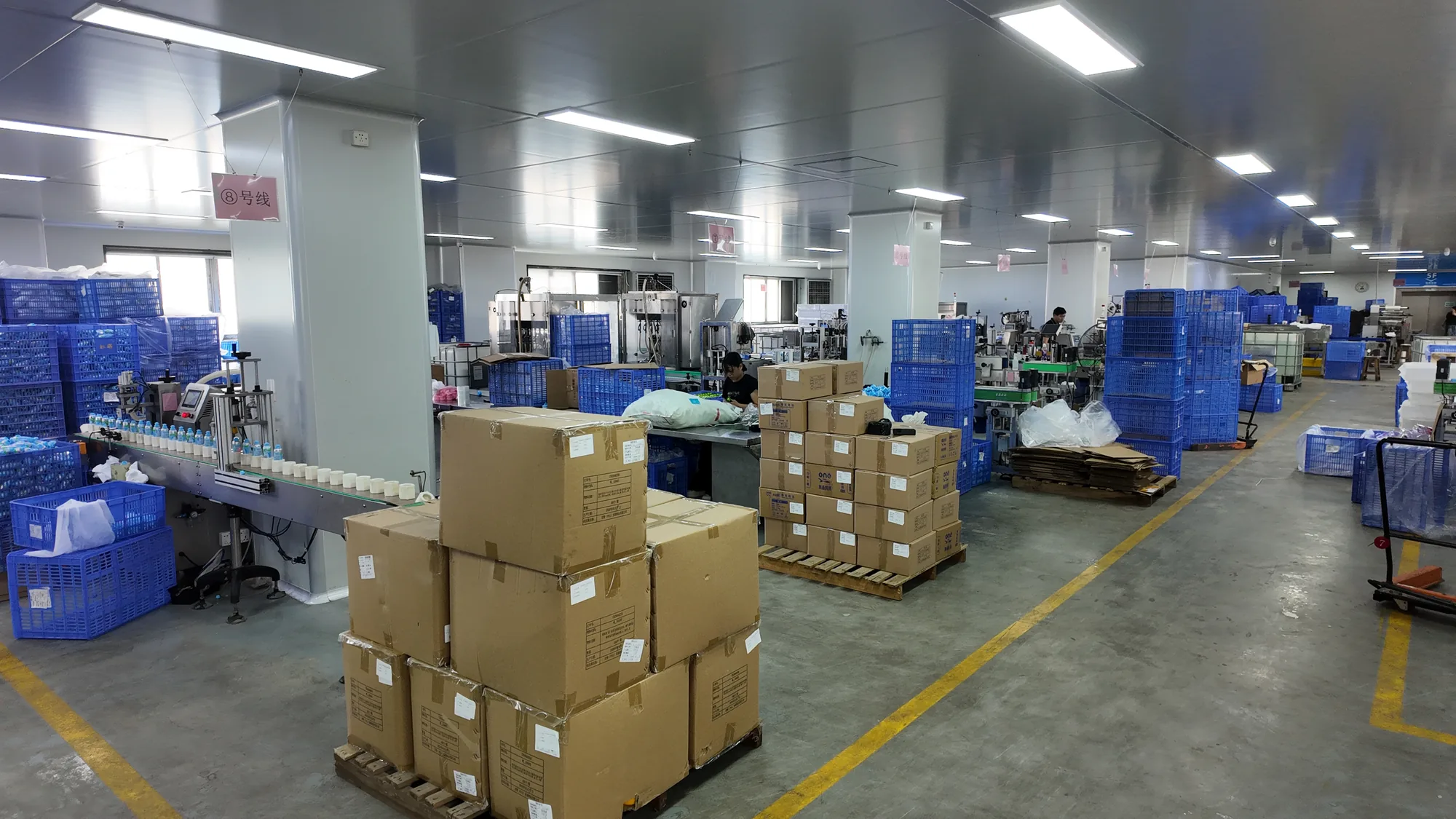
At that point, production capacity, raw materials, bottles, packaging, filling and quality control all become important.
This is why OEM capability should not be measured only by whether a factory can make a sample.
The more important question is whether the supplier can maintain the same quality when the order becomes larger.
And just as importantly:
Can they deliver it on time?
For international B2B buyers, production and delivery schedules can directly affect inventory planning, promotions and retail availability.
A product can have strong market potential, but late delivery can quickly turn that opportunity into a problem.
From E-commerce Testing to Larger B2B Orders
E-commerce has also taught us something about risk.
You don't always need to launch ten products at once.
Sometimes it makes more sense to start with a smaller number of products, see how consumers respond, and then build from there.
For a private label brand, the process can look something like this:
- Product Idea
- → Sample
- → Initial Market Test
- → Consumer Feedback
- → Product Adjustment
- → Larger Order
- → Product Line Expansion
This approach can be useful when entering a new market.
It allows buyers to learn before committing too heavily to one product.
Of course, every market is different, and products that perform well in China should not automatically be expected to perform the same way in Europe, North America, Africa or other regions.
But the basic idea remains useful:
Test, learn and then scale.
What Does This Mean for International Buyers?
If you are an importer, distributor or private label brand looking at household cleaning products, we believe there are several useful lessons from the e-commerce market.
First, start with a clear consumer problem.
Second, don't underestimate packaging.
Third, think about fragrance and product experience.
Fourth, consider whether one product can become a wider product family.
And finally, think about the manufacturer before you finalize the product concept.
The right manufacturer can sometimes contribute ideas during development rather than simply receiving a finished specification.
That can save time and help avoid unnecessary changes later in the project.
Market Experience and Manufacturing Capability Should Work Together
This is probably the biggest lesson we have taken from our own experience.
Market knowledge by itself is not enough.
Manufacturing capability by itself is not enough either.
A product needs both.
You need to understand what people want.
Then you need to know how to turn that idea into a stable, scalable product.
This is the approach we try to bring to BIKIhomecare.
Our experience in China's domestic household cleaning e-commerce market has given us direct exposure to consumer-facing products.
Our manufacturing capabilities allow us to take those ideas and develop them into OEM and ODM products for international B2B customers.
That can include:
- Formula development
- Fragrance customization
- Bottle selection
- Packaging development
- Filling and production
- Quality control
- Product range development
- Export preparation
The goal is not to tell every customer which product they should sell.
Every market is different.
Instead, our role is to help turn a good product idea into something that can actually be manufactured, delivered and developed into a product range.
The Next Household Cleaning Product May Start With a Simple Idea
A new cleaning product does not always start with complicated technology.
Sometimes it starts with a simple observation:
People don't like greasy kitchen surfaces.
People want their windows to stay cleaner for longer.
People want an easier way to clean their sofa.
People want a convenient way to maintain their air conditioner.
Those observations can become product ideas.
With the right formula, packaging, fragrance, positioning and manufacturing support, they can eventually become commercial products.
That is what makes the household cleaning industry interesting to us.
There are still many everyday problems that can be solved with a better product.
Looking for an OEM Partner for Your Next Cleaning Product?
At BIKIhomecare, we work with importers, distributors and private label brands developing household cleaning products for international markets.
Whether you already have a complete product specification or only have an initial idea, we can work with you through the development and manufacturing process.
From formula and fragrance customization to bottle, packaging, production and delivery, our team can support different stages of your project.
And because we have experience on both sides of the product — consumer e-commerce and manufacturing — we understand that a successful OEM project is not only about making a product.
It is about making a product that has a reason to exist in the market.
Have a cleaning product idea?
Let's develop it together.